
Liposuction vs Weight Loss: Understanding the Difference
Many people looking to improve their body shape often wonder whether liposuction or weight loss is the best solution. While both can lead to changes in body appearance, they are designed to achieve very different goals. Understanding the distinction between liposuction and weight loss is essential for setting realistic expectations and making informed decisions about your health and appearance.
Weight loss focuses on reducing overall body weight through lifestyle changes such as diet and exercise, while liposuction is a cosmetic procedure designed to remove stubborn pockets of fat from specific areas of the body. In this guide, we’ll explore the differences between liposuction and weight loss, their benefits, limitations, and how they can work together to help individuals achieve their desired results.
What Is Liposuction?
Liposuction is a surgical body contouring procedure that removes unwanted fat deposits from targeted areas of the body. It is commonly used to reshape areas that have not responded to healthy eating and regular exercise.
How Liposuction Works
During liposuction, a surgeon uses specialised instruments to remove excess fat cells from specific parts of the body. The procedure is performed under local or general anaesthetic, depending on the treatment area and the amount of fat being removed.
Unlike weight loss methods, liposuction does not affect metabolism or significantly reduce overall body weight. Instead, it focuses on improving body contours and proportions by removing localised fat deposits.
Areas Commonly Treated With Liposuction
Liposuction can be performed on various parts of the body, including:
- Abdomen
- Flanks (love handles)
- Thighs
- Hips
- Arms
- Back
- Chin and neck
These areas are often resistant to traditional weight loss efforts, making liposuction a popular option for body contouring.
What Is Weight Loss?
Weight loss refers to reducing overall body mass through a calorie deficit, where the body burns more calories than it consumes. This can be achieved through dietary changes, exercise, and other lifestyle modifications.
How the Body Loses Weight
When the body requires more energy than it receives from food, it begins using stored fat as fuel. Over time, this process reduces body fat and leads to weight loss. Unlike liposuction, weight loss affects the entire body rather than specific treatment areas.
Successful weight loss typically involves a combination of balanced nutrition, physical activity, adequate sleep, and long-term healthy habits.
Factors That Influence Weight Loss
Several factors can affect an individual’s ability to lose weight, including:
- Age
- Genetics
- Hormonal changes
- Activity levels
- Medical conditions
- Dietary habits
Because of these variables, weight loss results can differ significantly from person to person.
Liposuction vs Weight Loss: Key Differences
Although both approaches can improve body appearance, they serve different purposes.
| Feature | Liposuction | Weight Loss |
| Primary Purpose | Removes stubborn fat from specific areas of the body | Reduces overall body weight and body fat |
| How It Works | Surgically removes fat cells from targeted areas | Achieved through diet, exercise, and lifestyle changes |
| Weight Reduction | Minimal impact on overall body weight | Significant reduction in body weight is possible |
| Target Areas | Abdomen, thighs, hips, arms, chin, and other localised areas | Entire body loses fat gradually |
| Health Benefits | Primarily improves body contour and shape | Improves overall health and reduces disease risks |
| Results Timeline | Results become visible as swelling subsides over several weeks | Results develop gradually over weeks or months |
| Suitable For | Individuals near their ideal weight with stubborn fat deposits | Individuals looking to reduce overall body weight |
| Effect on Fat Cells | Permanently removes treated fat cells | Shrinks fat cells but does not remove them |
| Need for Lifestyle Changes | Healthy habits help maintain results | Essential for achieving and maintaining results |
| Can It Replace Diet and Exercise? | No | Weight loss depends on healthy eating and physical activity |
| Long-Term Results | Long-lasting when weight remains stable | Depends on maintaining healthy lifestyle habits |
| Main Goal | Body contouring and shape enhancement | Weight management and improved health |
Fat Reduction vs Overall Weight Reduction
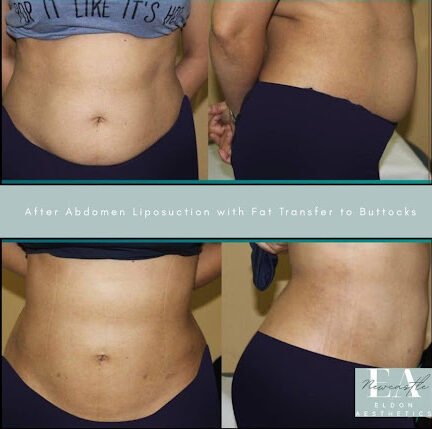
The primary difference is that liposuction removes fat from targeted areas, whereas weight loss reduces fat throughout the body. Liposuction is designed for body contouring, not for significant weight reduction.
Weight loss affects overall health and body composition, while liposuction focuses on improving specific areas where stubborn fat remains.
Purpose and Intended Results
Weight loss aims to improve health, reduce body fat, and lower the risk of obesity-related conditions. Liposuction aims to enhance body shape and proportions by removing isolated fat deposits.
How Results Differ Over Time
Weight loss results depend on maintaining healthy habits over time. Liposuction results can be long-lasting because treated fat cells are permanently removed, although remaining fat cells can still expand if significant weight gain occurs.
Can Liposuction Help You Lose Weight?
One of the most common misconceptions is that liposuction is a weight loss procedure. In reality, it is not intended as a solution for obesity or substantial weight reduction.
Understanding the Amount of Fat Removed
The amount of fat removed during liposuction is generally limited for safety reasons. While patients may notice a slight reduction on the scales, the primary benefit is an improvement in body contours rather than a significant drop in weight.
Why Liposuction Is Not a Weight Loss Solution
Liposuction targets specific fat deposits but does not address lifestyle factors that contribute to weight gain. Individuals seeking major weight reduction are usually advised to focus on healthy eating, exercise, and medically supervised weight management programmes.
Who Is a Good Candidate for Liposuction?
Liposuction is most effective for individuals who are close to their ideal body weight but struggle with stubborn areas of fat.
Ideal Candidates for Body Contouring
Good candidates typically:
- Maintain a stable weight
- Have good skin elasticity
- Are in good overall health
- Have realistic expectations
- Want to improve body shape rather than lose large amounts of weight
When Weight Loss Should Come First
Individuals who are significantly overweight are often encouraged to pursue weight loss before considering liposuction. Reaching a healthier weight can improve surgical outcomes and overall wellbeing.
Benefits of Liposuction Compared to Traditional Weight Loss
Liposuction offers advantages that cannot always be achieved through weight loss alone.
Targeting Stubborn Fat Deposits
Certain areas of fat can remain despite consistent diet and exercise. Liposuction can effectively remove these resistant fat pockets and create a more balanced body contour.
Improved Body Contours and Proportions
Many patients choose liposuction because it helps enhance natural body shape and create more defined proportions in specific treatment areas.
Benefits of Weight Loss for Overall Health
While liposuction can improve appearance, weight loss offers a range of health benefits that extend beyond aesthetics.
Physical Health Benefits
Maintaining a healthy weight can help:
- Lower blood pressure
- Improve heart health
- Reduce the risk of type 2 diabetes
- Improve mobility
- Increase energy levels
- Long-Term Lifestyle Improvements
Weight loss often encourages healthier habits that support long-term wellbeing and overall quality of life.
Can Liposuction and Weight Loss Work Together?
For many individuals, the most effective approach involves combining healthy weight management with body contouring treatments.
Achieving the Best Body Contouring Results
Patients who achieve a stable weight before liposuction often experience more predictable and satisfying results. The procedure can then address remaining areas of stubborn fat.
Maintaining Results After Liposuction
Maintaining a healthy lifestyle after liposuction is essential. Regular exercise and balanced nutrition help preserve results and prevent future weight gain.
Common Misconceptions About Liposuction and Weight Loss
There are several myths surrounding liposuction that can lead to unrealistic expectations.
Does Fat Come Back After Liposuction?
The fat cells removed during liposuction do not return. However, remaining fat cells can still enlarge if a person gains weight after treatment.
Can Liposuction Replace Diet and Exercise?
No. Liposuction should not be viewed as a substitute for healthy living. A balanced diet and regular exercise remain important for maintaining long-term results and overall health.
Risks and Limitations of Liposuction
Like any surgical procedure, liposuction has limitations and potential risks that should be understood before treatment.
Understanding What Liposuction Cannot Do
Liposuction cannot:
- Treat obesity
- Replace weight loss programmes
- Tighten significantly loose skin
- Improve overall fitness levels
- Setting Realistic Expectations
Patients who understand the purpose of liposuction are more likely to be satisfied with their results. The procedure is designed to refine body shape rather than dramatically reduce body weight.
How to Decide Between Liposuction and Weight Loss
The right option depends on your individual goals. If your primary aim is to improve health and reduce overall body fat, weight loss should be the priority. If you are close to your target weight but have stubborn fat deposits that do not respond to lifestyle changes, liposuction may be worth considering.
In many cases, the best results come from combining healthy weight management with body contouring treatments. A professional assessment can help determine the most suitable approach for your circumstances.
Frequently Asked Questions About Liposuction and Weight Loss
Q: Which is better for reducing belly fat?A: Weight loss reduces fat throughout the body, while liposuction targets specific fat deposits. The best option depends on your goals and overall health.
Q: How much weight can be lost with liposuction?A: Liposuction is not designed for major weight loss. The procedure focuses on contouring rather than significantly reducing body weight.
Q: Are liposuction results permanent?A: The fat cells removed during liposuction are permanently removed. However, maintaining a stable weight is important for preserving results.
Q: Can I gain weight after liposuction?A: Yes. Although treated fat cells are removed, weight gain can still occur in other areas if healthy habits are not maintained.
Q: What BMI is suitable for liposuction?A: Most surgeons recommend liposuction for individuals who are close to their ideal weight and have a stable BMI. Suitability is assessed on an individual basis.
Q: Considering Liposuction Treatment?A: At Eldon Aesthetics & Skin Surgery Clinic, our experienced surgical team provides personalised consultations to help patients understand their treatment options and achieve realistic, natural-looking results. If you would like to learn more about liposuction in Newcastle upon Tyne and whether it may be suitable for your goals, our team is here to offer professional guidance and expert care.