What Is Rhinoplasty? A Complete Guide to Nose Reshaping Surgery
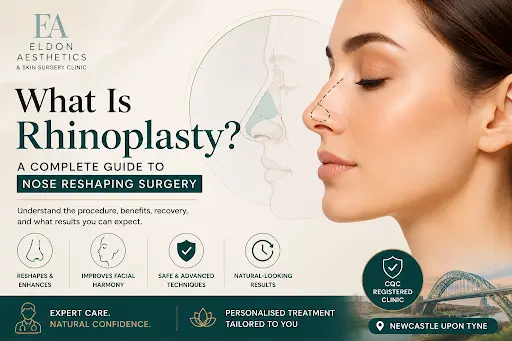
Rhinoplasty, commonly known as a nose job, is one of the most popular cosmetic surgery procedures worldwide. It is designed to reshape, resize, or reconstruct the nose to improve its appearance, function, or both. Whether performed for aesthetic reasons or to address breathing difficulties, rhinoplasty can help create better facial harmony while improving quality of life.
The nose is a central facial feature, and even small changes can significantly impact overall facial balance. For this reason, rhinoplasty is a highly personalised procedure that requires careful planning and a thorough understanding of facial anatomy.
In this guide, we’ll explore what rhinoplasty is, the different types of procedures available, who may benefit from surgery, and what to expect during recovery.
What Is Rhinoplasty?
Rhinoplasty is a surgical procedure that changes the shape, size, or structure of the nose. The procedure can be performed for cosmetic purposes, functional reasons, or a combination of both.
Understanding Nose Reshaping Surgery
Nose reshaping surgery involves modifying the bone, cartilage, skin, or all three components of the nose. The goal is to improve the appearance of the nose while maintaining or enhancing its function.
Some patients seek rhinoplasty to reduce the size of their nose, refine the tip, straighten a crooked appearance, or remove a dorsal hump. Others undergo the procedure to correct structural issues that affect breathing.
Because every face is unique, rhinoplasty is tailored to the individual’s facial proportions, anatomy, and desired outcome.
Cosmetic vs Functional Rhinoplasty
Cosmetic rhinoplasty focuses primarily on improving the appearance of the nose. Patients may wish to alter the size, shape, width, or profile of their nose to achieve better facial balance.
Functional rhinoplasty is performed to improve airflow and breathing. It is often used to correct structural abnormalities such as a deviated septum, nasal valve collapse, or injuries that affect nasal function.
In many cases, cosmetic and functional goals can be addressed during the same procedure.
Why Do People Choose Rhinoplasty?
There are many reasons why individuals consider rhinoplasty. While some patients are motivated by aesthetic concerns, others seek surgery to improve nasal function and overall comfort.
Cosmetic Reasons
Common cosmetic concerns include:
- A prominent dorsal hump
- A crooked nose
- A bulbous or wide nasal tip
- Asymmetry
- A nose that appears too large or too small for the face
- Dissatisfaction with the nose following injury
Many patients choose rhinoplasty to create a more balanced and proportionate appearance while maintaining natural-looking results.
Medical and Functional Reasons
Functional concerns can significantly impact daily life. Rhinoplasty may be recommended to address:
- Breathing difficulties
- A deviated septum
- Nasal obstruction
- Congenital abnormalities
- Damage caused by trauma or injury
Improving nasal function can lead to better sleep, easier breathing, and an enhanced quality of life.
Who Is a Good Candidate for Rhinoplasty?
Rhinoplasty may be suitable for individuals who are unhappy with the appearance of their nose or experience breathing problems caused by structural issues.
Good candidates typically:
- Are in good overall health
- Have realistic expectations
- Have completed facial growth
- Do not smoke or are willing to stop smoking before surgery
- Understand the recovery process
A consultation with a qualified surgeon is essential to determine suitability and discuss treatment goals. Every patient’s anatomy is different, so recommendations are tailored to individual needs.
Types of Rhinoplasty Procedures
There are several different approaches to rhinoplasty, depending on the complexity of the changes required.
Open Rhinoplasty
Open rhinoplasty involves a small incision across the columella, the strip of tissue between the nostrils. This approach provides greater visibility of the nasal structures and is often used for more complex cases.
Closed Rhinoplasty
Closed rhinoplasty is performed using incisions hidden inside the nostrils. Because there are no external incisions, visible scarring is avoided. This technique is commonly used when less extensive changes are required.
Revision Rhinoplasty
Revision rhinoplasty is performed to correct or improve the results of a previous rhinoplasty procedure. These cases are often more complex due to scar tissue and altered anatomy.
Septorhinoplasty
Septorhinoplasty combines cosmetic nose reshaping with correction of a deviated septum or other structural issues affecting breathing. It addresses both appearance and function in a single procedure.
The Rhinoplasty Procedure Explained
Understanding the surgical process can help patients feel more confident and prepared for treatment.
Before Surgery
Before rhinoplasty, patients attend a consultation where their medical history, concerns, and goals are discussed. Photographs may be taken, and a detailed examination of the nose is performed.
Patients receive instructions regarding medications, smoking cessation, and preparation for surgery.
During Surgery
Rhinoplasty is usually performed under general anaesthetic. The surgeon carefully reshapes the bone and cartilage to achieve the planned outcome.
Depending on the complexity of the procedure, surgery may take between one and three hours.
After Surgery
Following surgery, a nasal splint is often placed to support the nose during the initial healing phase. Mild swelling, bruising, and congestion are normal and expected during recovery.
Most patients return home on the same day.
Benefits of Rhinoplasty
Rhinoplasty can offer both cosmetic and functional benefits, depending on the individual’s goals.
Enhanced Facial Balance
The nose plays a central role in facial aesthetics. Refining its shape can create better harmony between facial features and improve overall proportions.
Improved Breathing Function
For patients with structural nasal problems, rhinoplasty can significantly improve airflow and breathing comfort.
Increased Confidence
Many individuals report improved self-confidence after rhinoplasty, particularly when longstanding concerns about their appearance have been addressed.
The aim is not to create a completely different nose but rather one that complements the individual’s facial features.
Rhinoplasty Recovery: What to Expect
Recovery is a gradual process, and understanding the healing timeline can help set realistic expectations.
The First Week
During the first week, swelling and bruising around the eyes and nose are common. Patients are usually advised to rest and avoid strenuous activity.
A splint may remain in place for approximately one week before being removed during a follow-up appointment.
Recovery During the First Month
Most visible bruising resolves within two weeks, while swelling gradually decreases over the following weeks.
Many patients feel comfortable returning to work and social activities within one to two weeks, depending on their recovery progress.
When Will You See Final Results?
Although initial improvements are visible relatively quickly, subtle swelling can persist for several months.
Final rhinoplasty results may take up to 12 months or longer to fully develop, particularly around the nasal tip.
Potential Risks and Complications
Like any surgical procedure, rhinoplasty carries some risks. While complications are uncommon when performed by an experienced surgeon, patients should be aware of potential issues.
These may include:
- Bleeding
- Infection
- Persistent swelling
- Changes in sensation
- Breathing difficulties
- Asymmetry
- Need for revision surgery
A thorough consultation helps patients understand both the benefits and potential risks before proceeding.
Tips for a Smooth Rhinoplasty Recovery
Following post-operative instructions carefully can support healing and help achieve the best possible outcome.
Helpful recovery tips include:
- Keep your head elevated while resting
- Avoid strenuous exercise for several weeks
- Follow all aftercare instructions
- Avoid wearing glasses directly on the nose if advised
- Attend all follow-up appointments
- Protect the nose from injury during healing
Patience is essential, as rhinoplasty results continue to refine over time.
Frequently Asked Questions About Rhinoplasty
Is Rhinoplasty Painful?
Most patients experience mild discomfort rather than significant pain. Any discomfort is usually manageable with prescribed medication.
How Long Does Recovery Take?
Most people return to normal daily activities within one to two weeks, although complete healing takes much longer.
Are Rhinoplasty Results Permanent?
Yes. The structural changes made during rhinoplasty are permanent, although the natural ageing process will continue over time.
Can Rhinoplasty Improve Breathing?
Yes. Functional rhinoplasty and septorhinoplasty can improve airflow and address breathing difficulties caused by structural issues.
What Is the Best Age for Rhinoplasty?
Rhinoplasty is generally recommended once facial growth is complete, typically during the late teenage years or adulthood.
Conclusion
Rhinoplasty is a highly personalised procedure that can improve both the appearance and function of the nose. Whether performed for cosmetic refinement, breathing concerns, or a combination of both, the procedure offers long-lasting benefits when carefully planned and performed by an experienced surgeon.
Understanding the different types of rhinoplasty, the recovery process, and the potential outcomes can help individuals make informed decisions about their treatment journey.