
- CQC CERTIFIED
- AWARD WINNING
- EXPERT SURGEONS
- 5 STAR REVIEWS
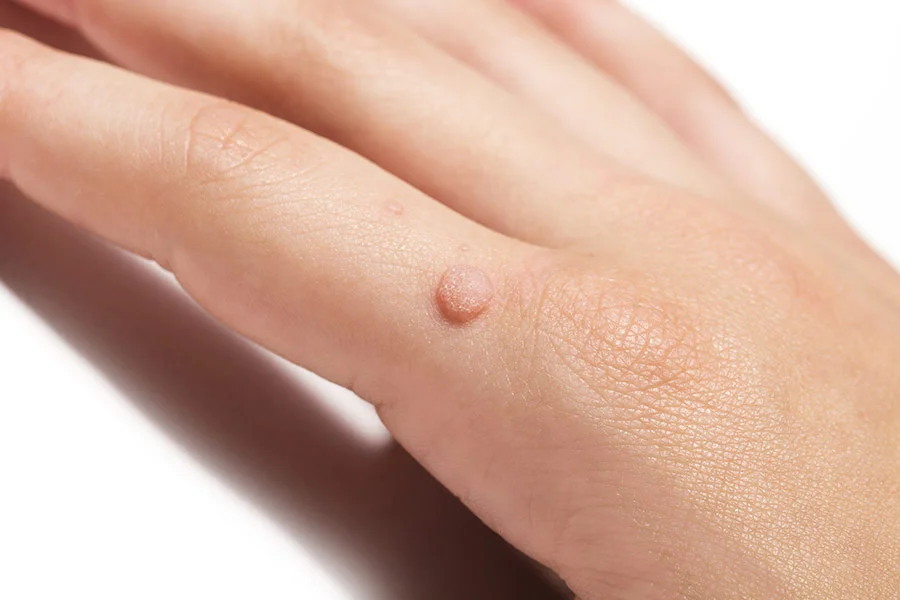
Wart & Verruca Removal in Newcastle
If you are looking for mole removal in Newcastle Upon Tyne then our accredited plastic surgeons are able to provide you with sound advice and excellent operating skills.
Most moles don’t require treatment. But you might want to have a mole removed if you’re unhappy with how it looks or feels. Talk with your healthcare provider if you’re concerned about a mole. Generally, moles are removed if your provider suspects they might be cancerous or for cosmetic reasons.
Check if you have a wart or verruca
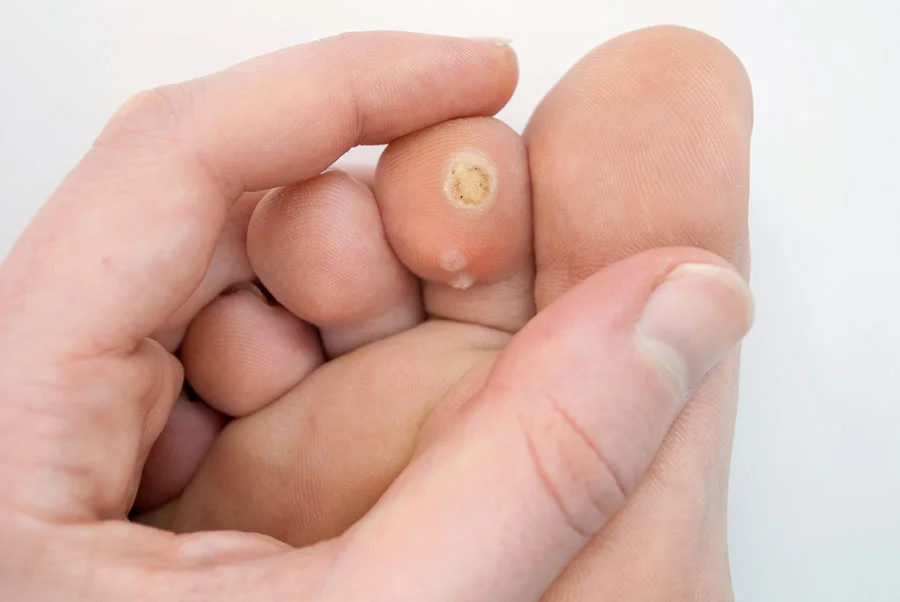
Identifying a wart or verruca
Warts
Warts feel firm and rough. They can appear on palms, knuckles, knees and fingers. Warts are usually skin coloured but may appear darker on dark skin.
Verrucas
Verrucas appear on your feet. They have tiny black dots under the hard skin. Some warts are round, flat and can be yellow (plane warts). You can have many of them. Clusters of warts, spread over an area of skin (mosaic warts) are common on feet and hands.

Treatment of Warts & Verrucas
The options available
Most warts and verrucas go away by themselves, and treatments don’t always work. But if your wart or verruca is bothering you, you might decide to give treatment a try.
The most commonly used treatments for warts and verrucas removal are salicylic acid and cryotherapy (freezing). Book a consultation today with our accredited plastic surgeon staff who will guide you through the most suitable options.
- Cryotherapy - Freezing treatment that causes the wart to fall off
- Laser Treatment - Targeted laser removal for stubborn cases
- Salicylic Acid - Topical treatment applied over several weeks
- Minor Surgery - Surgical removal for persistent warts
What is cryotherapy?
For wart and verruca removal
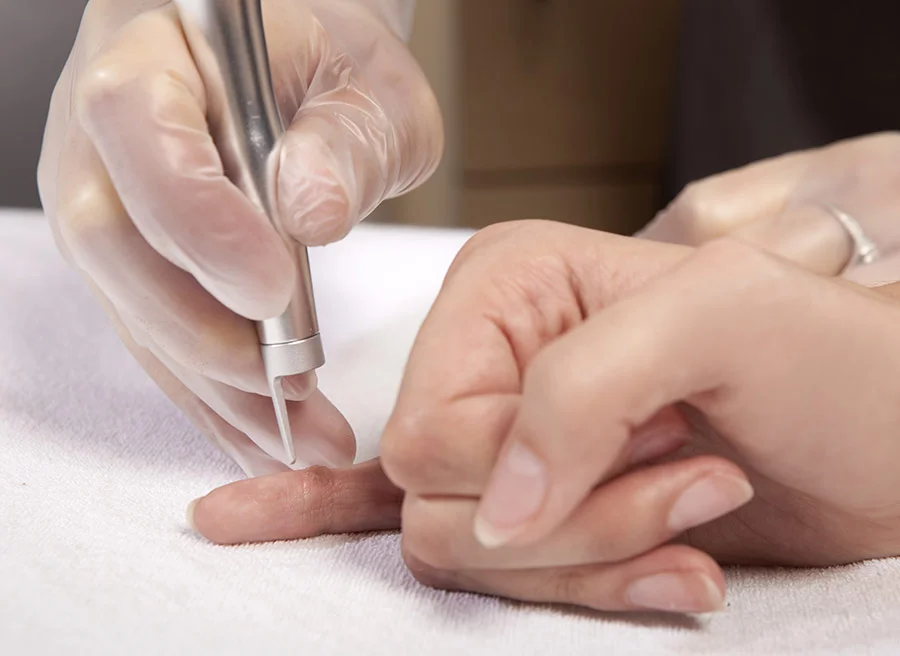
When you have cryotherapy, your doctor applies the liquid nitrogen to your wart using either a spray or a cotton bud. It takes between five and 30 seconds to freeze your wart depending on the technique used and the size and location of the wart.
You may need to repeat the treatment every two to three weeks, up to six times. It sometimes leads to blistering or scarring of your skin and can be painful, so isn’t often recommended for younger children.
Treatment Process:
- Quick procedure (5-30 seconds per wart)
- Multiple sessions may be required
- Minimal downtime after treatment
- High success rate for most patients
Warts/Verruca Removal FAQ's
How do you get rid of warts and verrucas fast?
The most commonly used treatments for warts and verrucas removal are salicylic acid and cryotherapy (freezing). Other options include medicines (creams, gels and medicated plasters), cryotherapy, and specialist treatments.
Do warts and verrucas go away?
Warts and verrucas are small lumps on the skin that most people have at some point in their life. They usually go away on their own but may take months or even years.
Can you get rid of a verruca by cutting it out?
Yes, if your doctor decides that is the right treatment for you, the wart or verruca can be carefully cut out using a surgical scalpel.
What happens if you leave a verruca untreated?
They may grow and grow if untreated. It could reach the point where it’s over a centimetre wide and bordered or covered by hard skin – a real nuisance. Over time, the pressure you exert on it when standing or in motion may force the verruca deeper into your foot.
Do verrucas leave a hole?
Yes, it’s common to notice a verruca hole in the foot after the wart has been treated or naturally falls out. Many people are surprised to see that the verruca left a hole in the foot, but this is typically nothing to worry about. The hole you see isn’t painful in most cases—what you’re actually seeing is healthy, new skin that has grown around where the virus used to be.
Can verrucas become cancerous?
This virus attacks the topmost layer of the skin or the epithelium. This causes the cells to proliferate or form a growth or a raised plaque. Sometimes it may take up to a year or two after the initial viral invasion for the lesion to show up. Verrucas are not cancerous.
What not to do with warts?
Avoid shaving over a wart. If you shave over a wart, you’ll have microtears in your wart and the skin that you shave. Through these microtears, you can spread the virus that causes warts from the wart to any skin that you shave.
Can I cut off a wart?
No, you should definitely not attempt to cut off your own wart. To start with, warts are caused by a virus (HPV) and cutting off the growth will not actually cure it. In time, the wart will likely grow back.
Book Your Consultation Today At Our Newcastle Clinic!
- CQC Certified • No Obligation • Expert Advice