

0xb03bf95a
Author: admin
0x1c8c5b6a
0x1c8c5b6a
Fillers on Jawline: Guide to a Defined Look For Men
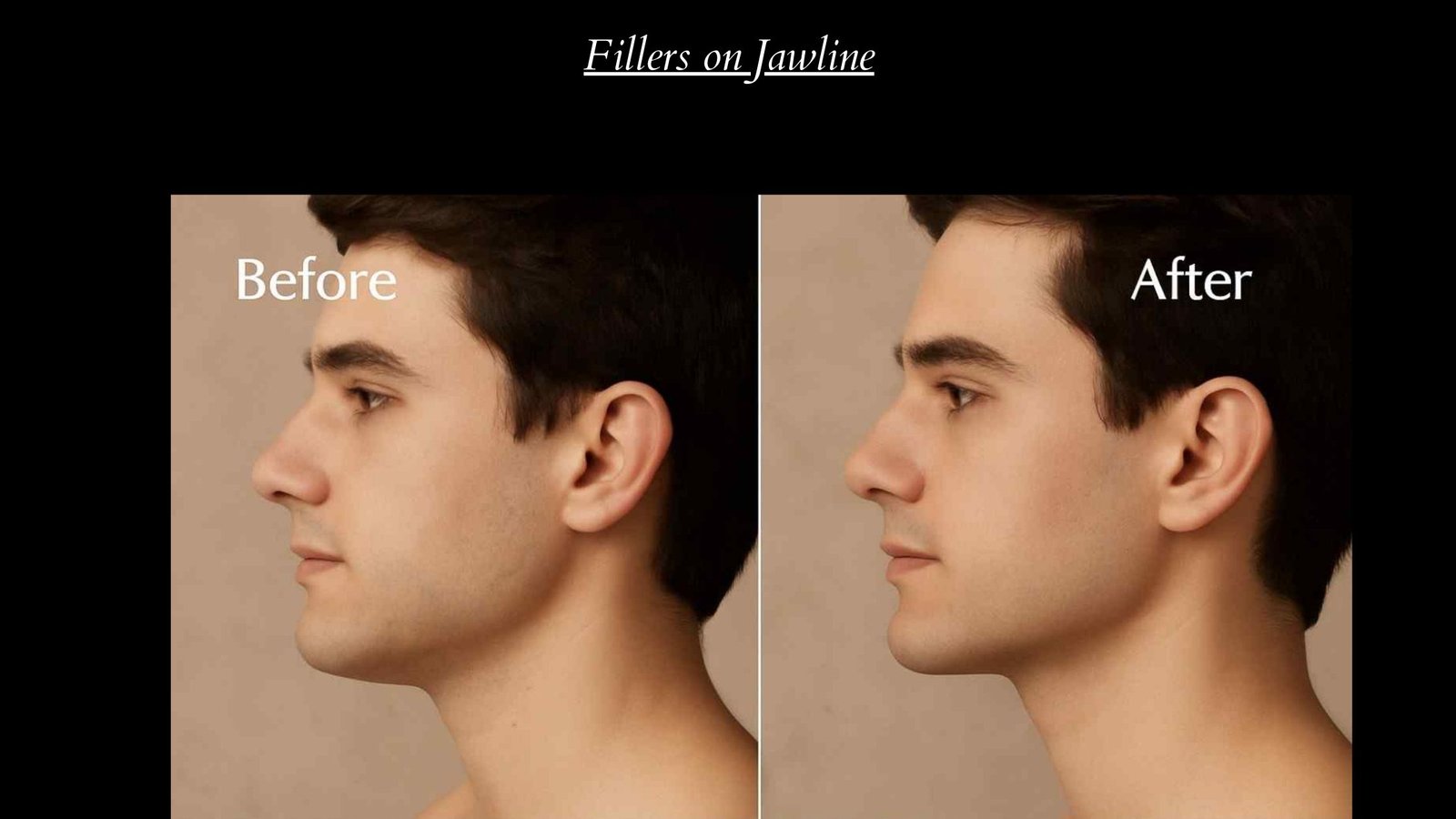
For men, a strong and well-defined jawline is often associated with masculinity, confidence, and youth. Unfortunately, not everyone is born with naturally sharp contours, and ageing can also soften definition over time. In recent years, men have increasingly turned to non-surgical aesthetic treatments to enhance their features without undergoing invasive surgery. One of the most popular options is fillers on jawline, a safe and effective way to achieve a sharper, more structured look.
This guide will explore how jawline fillers work, why more men are choosing them, what results to expect, and how they compare to surgical alternatives. Whether you’re looking to restore balance to your profile, address signs of ageing, or simply sharpen your look, jawline fillers may be the solution you’ve been seeking.
What Are Jawline Fillers?
Jawline fillers are injectable treatments designed to contour, enhance, and define the jaw area. They are made from hyaluronic acid-based dermal fillers — a substance that naturally occurs in the skin and helps maintain hydration and volume. When strategically injected, these fillers provide more structure to the lower face, giving it a chiselled and masculine appearance.
Both dermal fillers jawline and injectable fillers for jawline offer men an alternative to implants or invasive surgical procedures. Unlike surgery, fillers can be administered quickly, require little to no downtime, and provide results that can be reversed or adjusted as needed. This flexibility makes them particularly appealing to men who want to test enhancements without committing to permanent changes.

Why Men Choose Fillers on Jawline
Men seek jawline filler men treatments for a variety of reasons. Some naturally have a softer jawline that lacks definition, while others notice that their jawline has weakened over time due to age-related volume loss. As the skin sags and bone density decreases with age, the jawline can appear less sharp, leading to a tired or less masculine look.
By adding volume and structure, fillers help restore symmetry and create a stronger, more defined appearance. The benefits extend beyond physical changes — many men report a boost in self-confidence and satisfaction with their overall facial balance. Unlike filters or editing apps, jawline fillers deliver real, lasting results that enhance a man’s natural features without looking artificial.

Treatment Areas Beyond the Jawline
Chin Fillers for Men
The chin plays a key role in overall facial harmony. Weak or recessed chins can make the jawline look less defined. Chin filler men treatments help balance facial proportions by adding projection and structure. When combined with jawline fillers, chin fillers create a stronger profile and a more masculine appearance.
Male Cheek Fillers
Volume loss in the midface can contribute to sagging skin and a hollow appearance. Male cheek filler treatments restore this volume, lifting the face and enhancing masculine angles. By combining cheek and jawline fillers, men can achieve a more balanced, athletic look that highlights strength and vitality.
Combined Masculinising Injectables
For men who want a complete transformation, masculinising injectables for defined features often include a combination of jawline, chin, and cheek fillers. This tailored approach ensures harmony across the face, producing a sharper, more structured aesthetic. It’s particularly beneficial for men who feel their features lack balance or who want a comprehensive enhancement without surgery.

The Procedure: Step by Step
The process of receiving jawline fillers is straightforward and minimally invasive. Here’s what typically happens:
- Consultation & Assessment: A specialist examines your facial structure, discusses goals, and maps out injection points.
- Preparation: The area is cleaned, and numbing cream may be applied for comfort.
- Injection Process: Fillers are carefully injected along the jawline using fine needles or cannulas. Local anaesthetic within the filler also minimises discomfort.
- Results Timeline: Results are visible immediately, with final definition settling within a few days as swelling subsides.
This quick, non-surgical process means most men return to work or daily activities the same day.
Before and After: What to Expect
The appeal of injectable fillers for jawline lies in the noticeable but natural transformation they offer. After treatment, men can expect sharper definition, improved symmetry, and a stronger profile. Unlike surgery, there are no scars, stitches, or prolonged downtime.
Before-and-after photos often highlight the dramatic yet subtle changes that fillers can achieve. While results vary depending on individual anatomy and goals, most men find that their features look enhanced without appearing overdone. The aim is to create balance and masculinity, not an artificial or “filled” look.
Benefits of Fillers on Jawline for Men
Jawline fillers provide numerous advantages:
- Enhanced masculine features: Creates sharper angles and a stronger jawline.
- Non-surgical & reversible: No cutting, scars, or permanent changes.
- Quick treatment & recovery: Most sessions last under an hour with minimal downtime.
- Confidence boost: Improves self-esteem by aligning appearance with personal goals.
- Customisable results: Treatments can be adjusted over time for subtle enhancements.
These benefits explain why jawline fillers have become one of the fastest-growing treatments for men seeking aesthetic improvements.
Risks, Side Effects & Safety
While jawline fillers are considered safe, it’s important to understand potential side effects:
- Mild swelling, redness, or bruising at the injection site.
- Temporary tenderness or firmness along the jawline.
- Rare complications like infection or uneven results.
Choosing a qualified, medically trained provider reduces risks significantly. A professional will ensure the correct product, dosage, and placement for safe and natural-looking outcomes.

Longevity, Costs & Maintenance
Results from jawline fillers typically last between 12 and 18 months, depending on the product used, individual metabolism, and lifestyle factors. Maintenance treatments are recommended to sustain definition.
Costs vary based on the number of syringes required and the clinic’s expertise. On average, men can expect to pay several hundred pounds per session. While more affordable than surgical implants, fillers still provide long-lasting and noticeable results.
Who Is a Good Candidate?
The ideal candidates for jawline fillers are:
- Men seeking a sharper, more masculine jawline.
- Those experiencing mild to moderate volume loss due to ageing.
- Individuals who want non-surgical solutions with minimal downtime.
Contraindications may include allergies to filler ingredients, active skin infections, or certain medical conditions. A consultation ensures suitability before treatment.
Fillers on Jawline vs Surgery
Men weighing their options may compare fillers with surgical alternatives like implants or fat grafting. Unlike surgery, fillers are quick, reversible, and involve no major downtime. Surgery may provide permanent results, but it comes with higher risks, scars, and recovery time.
For many men, dermal fillers offer the perfect balance — effective definition with less commitment. This explains why non-surgical aesthetics have become the preferred choice for male facial enhancement.

Before and After Fillers on Jawline: What to Expect
When it comes to injectable fillers for jawline, the difference between before and after treatment can be striking yet subtle enough to look natural. Before treatment, many men have softer or less defined jawlines, sometimes with sagging skin or a weaker chin profile. After treatment, the jawline appears sharper, more structured, and better balanced with the rest of the face.
Most men notice an immediate improvement, with full results settling in a few days once any swelling subsides. The key goal is definition without looking “done” — a chiselled jawline that enhances natural features rather than changing them. Side-by-side comparisons often highlight how much more confident and youthful patients feel after treatment.
[5-6 Image for before and after fillers on Jawline.]

FAQs
Q: How long do jawline fillers last in men?
A: Typically 12–18 months, with maintenance sessions recommended.
Q: Are jawline fillers painful?
A: Discomfort is minimal thanks to numbing agents in the filler.
Q: Can fillers masculinise my face naturally?
A: Yes, when done by an expert, they enhance masculine features without looking artificial.
Q: How much do jawline fillers cost in the UK?
A: Prices vary, but treatments usually start from a few hundred pounds depending on the amount required.
Q: Do jawline fillers look natural on men?
A: Yes. When placed strategically, results are subtle yet impactful, creating natural definition.
Conclusion
Fillers on jawline have transformed the way men achieve strong, defined features. They provide a safe, effective, and non-surgical solution to enhance masculinity, balance facial proportions, and restore youthful confidence. With immediate results, minimal downtime, and long-lasting effects, they are an excellent option for men seeking subtle yet powerful changes.
Book your consultation today at Eldon Aesthetics in Newcastle, where our expert clinicians specialise in safe, effective, and natural-looking results tailored to men’s needs.
Stages of Verruca : Early to Dying Phases Explained
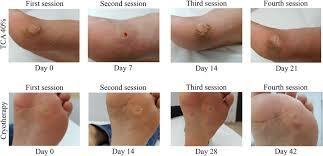
Verruca, often called plantar warts, are small, rough skin lesions that appear on the soles of the feet. They are caused by the human papillomavirus (HPV), which enters the skin through tiny cuts or abrasions. Although verrucae are not dangerous, they can be painful and inconvenient, especially when located on weight-bearing areas of the foot. What makes them tricky is that they don’t look the same at every point of their life cycle.
Understanding the stages of verruca is essential if you want to catch them early, treat them effectively, and prevent them from spreading. Like many skin conditions, they evolve over time—from a subtle early bump to a more painful, mature lesion, and eventually to their regression or dying phase. By learning how to recognise these phases, you can decide whether at-home treatments are enough or if professional care is needed.
In this guide, we’ll walk through the beginning verruca stages, how to identify a verruca, and the stages of verruca dying, so you have clear knowledge of what to expect and when to seek help.
What is Verruca?

A verruca is a type of wart that forms on the feet due to HPV infection. Unlike warts on the hands or fingers, verrucae grow inward because of the pressure from walking and standing. This pressure flattens them into the skin, which is why they often look different from other common warts.
Verrucae can appear as a single lesion or in clusters called mosaic verrucae. They are contagious, spreading through direct skin contact or by walking barefoot in shared spaces like swimming pools, locker rooms, or gyms. While they are generally harmless, they can cause sharp pain when walking, which is why early identification and management are important.
Understanding the verruca stages helps you separate them from corns, calluses, or other foot problems, ensuring you choose the right treatment path.
How to Identify a Verruca?

What Does the Start of a Verruca Look Like?
People often ask, what does the start of a verruca look like? In the early stage verruca, the lesion usually appears as a small, rough patch of skin that may look similar to a callus. The skin lines across the area are disrupted, unlike a corn where the natural lines remain intact. Small black dots, caused by clotted blood vessels, often appear inside the verruca.
The beginning verruca stages can be painless, which is why many people mistake them for minor skin changes. However, as they develop, discomfort increases—especially when walking or squeezing the sides of the lesion. Spotting these changes early allows you to begin treatment before the verruca grows deeper.
How to Identify a Verruca vs Other Skin Conditions
Knowing how to identify a verruca is key to avoiding confusion with similar issues. Corns, for example, are caused by pressure or friction and feel firm, but they don’t interrupt the skin lines. Calluses are broader areas of thickened skin, usually painless unless severe.
A verruca, however, appears as a small, well-defined lesion with a rough surface and black pinpoints. They also tend to be painful when compressed from the sides, unlike corns which hurt when pressed directly. If you’re unsure, it’s always best to consult a professional to confirm whether you’re dealing with a verruca.
Stages of Verruca Development

Like most viral skin conditions, verrucae progress through different stages. Recognising these phases helps in knowing when to start treatment and what type of treatment might be most effective.
Stage 1: Early Stage Verruca (Initial Appearance)
The first stage is subtle. During the beginning verruca stages, the lesion looks like a small, flat spot of hard skin. It might blend in with the surrounding skin, making it easy to miss. The early stage verruca may not cause much discomfort, but as the virus begins to spread into the skin layers, the lesion starts to develop a rougher surface and tiny black dots.
Treatments such as salicylic acid gels, creams, or over-the-counter freezing sprays are most effective at this stage. Acting early prevents the verruca from embedding deeply, which can make treatment more complex later.
Stage 2: Growth and Rooting
At this stage, the verruca grows in size and becomes more painful. The virus penetrates deeper into the skin, embedding itself under layers of hard tissue. Walking or standing puts pressure on the area, causing discomfort that often feels like stepping on a small stone.
If untreated, the verruca can last for months or even years. It may resist basic at-home remedies, making professional treatment necessary. This is the phase where many patients seek help due to the pain interfering with daily activities.
Stage 3: Maturity and Spread
This is one of the more problematic verruca stages. The lesion becomes thicker, more defined, and often spreads into clusters called mosaic verrucae. Multiple verrucae together can be very painful and difficult to manage with home treatments.
At this stage, medical options such as cryotherapy, laser therapy, or needling are often recommended. Verrucae are highly contagious in this phase, so walking barefoot in communal spaces increases the risk of passing it on to others.
Stage 4: Regression or Dying Phase
The stages of verruca dying are marked by noticeable changes. The verruca starts to shrink, darken, and dry out. The pain gradually lessens, and the skin around it begins to heal. This phase indicates that your immune system is successfully fighting the virus.
Even though this is a positive sign, aftercare remains important. Keeping the area clean and protected helps prevent reinfection or recurrence. Sometimes, dead skin may peel away as the lesion heals completely.
How to Manage Each Verruca Stage Safely

Management depends on the stage of development. In the early stages, over-the-counter salicylic acid treatments or freezing sprays may work well. However, for deeper, painful verrucae, professional options like laser therapy, cryotherapy, or minor surgical removal may be more effective.
It’s crucial to avoid cutting or attempting DIY removal at home. This can cause infection, scarring, or even spread the virus further. For stubborn cases, professional care ensures complete removal and reduces recurrence risks. Clinics offering wart and verruca treatments provide tailored solutions for all stages.
When to See a Skin Specialist

Not every verruca requires professional intervention, but there are times when expert care is necessary. If the verruca is causing pain, spreading to other parts of the foot, or hasn’t improved after weeks of self-care, book an appointment with a skin specialist.
At Eldon Aesthetics & Skin Surgery Clinic in Newcastle upon Tyne, our team of specialists offers advanced treatments tailored to the stages of verruca, ensuring safe and effective outcomes. Whether it’s a single lesion or multiple mosaic verrucae, our personalised approach helps restore comfort and confidence.
Know the Stages – Act Early
Recognising the stages of verruca helps you act quickly, preventing unnecessary pain and reducing the chance of spreading. While some may clear naturally, others require targeted treatments for complete removal. Early intervention offers the best results.
Book your consultation with Eldon Aesthetics & Skin Surgery Clinic, for safe and effective wart and verruca removal in Newcastle upon Tyne. Our expert clinicians are here to guide you through every stage—from diagnosis to successful treatment.
FAQs About Verruca Stages
Q: What does the beginning of a verruca feel like?
A: It feels like a small, firm bump under the skin, sometimes tender when pinched from the sides.
Q: How long does each verruca stage last?
A: Early stages may last weeks, while mature verrucae can persist for months or years if untreated.
Q: Is it OK to leave a verruca untreated?
A: Some verrucae may resolve naturally, but many spread or worsen without treatment.
Q: What are signs a verruca is dying?
A: Shrinking, darkening, drying out, and reduced pain are signs of the verruca healing.
Q: Can verrucae spread to others?
A: Yes. They are contagious, especially in communal areas like pools or gyms.
Q: Do children get verrucae more often?
A: Yes, children are more prone due to barefoot activities and developing immune systems.
Taking Out a Cyst: Safe Methods, Risks & Recovery Tips
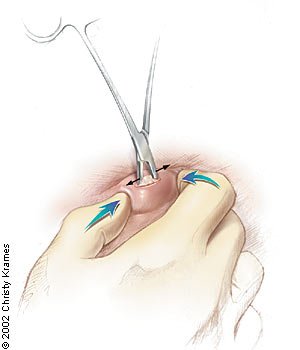
1. Introduction to Cyst Removal
1.1 What Is a Cyst?
What is a cyst? It is a closed sac-like structure that can appear under the skin or in deeper tissues, filled with fluid, air, or other material. It can develop due to infection, blocked glands, or chronic inflammation. Though usually benign, proper diagnosis and safe removal are crucial, especially when the cyst becomes painful or inflamed.
1.2 Common Types of Cysts
Cysts come in various forms—sebaceous, epidermoid, ganglion, and pilar cysts are among the most common. Their locations vary, including the scalp, back, hands, and face. Understanding the cyst type helps in planning the most effective and safe treatment or surgical approach.
1.3 Why Safe Removal Is Important
Improper or delayed cyst treatment can lead to infection, scarring, or even misdiagnosis of more serious conditions. Cyst removal surgery ensures complete extraction, reduces recurrence risk, and allows for histological testing, making it the safest and most effective option.
2. Causes and Symptoms of Cysts
2.1 Underlying Medical Conditions
Certain medical conditions, like acne, PCOS, or genetic syndromes, can trigger cyst development. Sebaceous glands, when blocked, are especially prone to forming cysts, often requiring clinical attention.
2.2 Environmental and Lifestyle Factors
Poor hygiene, repetitive skin trauma, and even stress can contribute to cyst formation. Inadequate skincare or wearing tight clothing that irritates hair follicles may also increase risk.
2.3 Warning Signs That Require Medical Attention
Cysts that rapidly grow, become painful, change color, or ooze should be evaluated by a professional. Early intervention avoids complications and ensures proper care through methods like cyst removal surgery.
3. Diagnosis Before Removal
3.1 Physical Examination
Most cysts are diagnosed by physical appearance. Your doctor will assess its size, location, and consistency. If infected, surrounding tissue inflammation may also be noted.
3.2 Imaging and Lab Tests
Ultrasound or MRI may be used to determine the cyst’s depth and structure. In some cases, a biopsy might be needed to rule out malignancy, especially if the cyst recurs or behaves abnormally.
3.3 Differentiating Between Benign and Serious Conditions
Benign cysts grow slowly and are usually painless. In contrast, aggressive or cancerous masses tend to grow rapidly and may invade surrounding tissue. Accurate diagnosis is critical to ensure appropriate treatment.
4. Safe Medical Removal Methods

4.1 Surgical Excision
This is the most reliable method of cyst removal surgery. The entire cyst, including its sac, is surgically removed, reducing the chance of recurrence. It’s usually performed under local anaesthesia.
4.2 Needle Aspiration
In this method, fluid is drawn out using a syringe. While less invasive, it doesn’t remove the cyst wall, which can result in recurrence. It’s typically used for temporary relief or diagnosis.
4.3 Laser Removal
Laser treatment may be used for small, superficial cysts. It offers minimal scarring and faster healing, though it’s not suitable for deep or large cysts.
4.4 Cryotherapy Techniques
Cryotherapy uses extreme cold to destroy cyst tissue. Though effective for some skin lesions, it’s not commonly used for deeper or complex cysts like those treated in a proper clinical setting.
5. Why Avoid DIY Cyst Removal
5.1 Infection Risks
Attempting to pop or drain a cyst at home can introduce bacteria and lead to serious infections, requiring further medical intervention and antibiotics.
5.2 Potential Scarring and Tissue Damage
Untrained removal efforts can damage surrounding skin, nerves, or blood vessels. Scarring is also more likely without sterile technique and proper wound care.
5.3 Risk of Misdiagnosis
Mistaking a cyst for a boil, abscess, or tumour could delay essential treatment. Only a medical professional can offer accurate diagnosis and safe removal options like those provided at cyst removal Newcastle clinics.
6. Preparing for Cyst Removal
6.1 Pre-Procedure Consultation
During consultation, the surgeon will evaluate the cyst, discuss your medical history, and explain the most suitable removal method. This is also the time to ask questions.
6.2 Medical History and Precautions
Inform your provider about allergies, medications, or past procedures. These factors help prevent complications during and after the cyst removal surgery.
6.3 Patient Preparation Checklist
Shower on the day of surgery, avoid applying creams near the cyst, and follow fasting instructions if advised. Wear comfortable clothing and arrange transportation if sedation is used.
7. The Removal Procedure – Step-by-Step

7.1 Anesthesia Administration
Local anaesthesia is administered to numb the area. For larger or multiple cysts, mild sedation may be used. The procedure is usually painless.
7.2 Incision and Extraction Process
A small cut is made over the cyst, and the entire sac is removed. The goal is complete extraction to prevent recurrence, especially in sebaceous cyst removal Newcastle procedures.
7.3 Wound Cleaning and Closure
After removal, the wound is cleaned and stitched or dressed. You may receive antibiotic ointment to apply at home, and detailed aftercare instructions are provided.
8. Recovery and Aftercare
8.1 Healing Timeline
Most patients recover within 7 to 14 days, depending on the cyst’s size and location. Scabs form and fall off as the wound heals.
8.2 Pain Management and Medications
Pain is usually mild and controlled with OTC pain relievers. Antibiotics may be prescribed to prevent infection. Follow dosage instructions carefully.
8.3 Caring for Stitches or Dressings
Keep the area clean and dry. Change dressings as advised and avoid scratching or applying pressure to the site. This helps prevent infection and supports smooth healing.
9. Risks and Complications
9.1 Infection and Recurrence
Infections can occur if aftercare is neglected. Also, if the cyst sac isn’t fully removed, it may come back—underscoring the need for expert treatment like cyst removal Newcastle upon Tyne services.
9.2 Allergic Reactions
Rarely, patients may react to anaesthesia or medications. Always inform your provider about any allergies during consultation.
9.3 Long-Term Skin Changes
There may be slight discolouration or scarring. Using silicone gel or prescribed creams can help minimise these effects over time.
Conclusion
Cyst removal surgery is the safest and most effective way to treat troublesome or recurring cysts. Avoid DIY methods, follow proper recovery steps, and consult certified specialists for best outcomes.
Frequently Asked Questions:
Can a cyst go away without removal?
Some small cysts may shrink, but most require removal to prevent recurrence.
How painful is the procedure?
The procedure is minimally painful, thanks to local anaesthesia.
Is cyst removal covered by insurance?
If medically necessary, yes. Cosmetic removals might not be covered.
Can the cyst come back after removal?
Yes, if the entire sac isn’t removed. Surgical excision helps reduce this risk.
What’s the difference between a cyst and an abscess?
A cyst is a non-infectious sac; an abscess is pus-filled and typically infected.
Blepharoplasty Cost, Benefits, Procedure & Recovery Explained – The Ultimate Guide to Upper and Lower Eyelid Surgery
[vc_row][vc_column width=”1/1″][vc_column_text]
1. Introduction to Blepharoplasty
1.1 What Is Blepharoplasty?
Blepharoplasty is a type of cosmetic or functional eye lift surgery designed to remove excess skin, fat, or muscle from the upper and lower eyelids. It helps improve eye contour and rejuvenates facial appearance.
1.2 Why Eyelid Surgery Is Gaining Popularity
With minimal downtime and impressive aesthetic results, eyelid surgery is becoming one of the most sought-after facial enhancements. It addresses tired-looking eyes, puffiness, and even vision obstruction.
1.3 Cosmetic vs Functional Blepharoplasty
Cosmetic blepharoplasty is performed to enhance appearance, while functional surgery is recommended to restore impaired vision due to drooping eyelids. Both offer life-enhancing benefits.[/vc_column_text][/vc_column][/vc_row][vc_row row_height_percent=”0″ overlay_alpha=”50″ gutter_size=”3″ column_width_percent=”100″ shift_y=”0″ z_index=”0″ css=”.vc_custom_1755255147770{margin-top: -50px !important;}”][vc_column width=”1/1″][vc_custom_heading]
2. Types of Eyelid Surgery
[/vc_custom_heading][/vc_column][/vc_row][vc_row row_height_percent=”0″ overlay_alpha=”50″ gutter_size=”3″ column_width_percent=”100″ shift_y=”0″ z_index=”0″ css=”.vc_custom_1755255166050{margin-top: -50px !important;}”][vc_column width=”1/1″][vc_single_image media=”85063″ media_width_percent=”100″ border=”yes”][/vc_column][/vc_row][vc_row row_height_percent=”0″ overlay_alpha=”50″ gutter_size=”3″ column_width_percent=”100″ shift_y=”0″ z_index=”0″ css=”.vc_custom_1755255180049{margin-top: -50px !important;}”][vc_column width=”1/1″][vc_column_text]Eyelid surgery is not one-size-fits-all. It includes several targeted procedures based on the location and purpose of treatment. The main types include upper eyelid blepharoplasty, lower eyelid surgery, and combined or medically indicated surgeries. Each has distinct goals and techniques to address sagging, puffiness, or impaired vision. Whether for cosmetic enhancement or functional improvement, the right procedure is determined by individual needs and an experienced surgeon’s evaluation.
2.1 Upper Eyelid Blepharoplasty
- Definition and Purpose Upper eyelid blepharoplasty newcastle involves the removal of excess skin and fat to correct hooding and restore a youthful eye contour.
- Common Concerns Treated This procedure treats sagging lids, wrinkles, and vision obstruction caused by drooping upper eyelids.
2.2 Lower Blepharoplasty Eyelid Surgery
- What It Addresses Lower blepharoplasty eyelid surgery targets under-eye bags, puffiness, and skin laxity that contribute to a tired or aged appearance.
- Techniques Used Common techniques include transconjunctival (scarless) and subciliary (skin-based) approaches for tailored results.
2.3 Upper Eyelid Plastic Surgery vs Upper Lid Eye Surgery
- Medical vs Aesthetic Focus Upper lid surgery for medical purposes focuses on improving vision, while plastic surgery prioritizes cosmetic improvement.
- Combined Eyelid Procedures Both upper and lower blepharoplasty can be performed together for comprehensive eye rejuvenation.
[/vc_column_text][/vc_column][/vc_row][vc_row row_height_percent=”0″ overlay_alpha=”50″ gutter_size=”3″ column_width_percent=”100″ shift_y=”0″ z_index=”0″ css=”.vc_custom_1755256145400{margin-top: -50px !important;}”][vc_column width=”1/1″][vc_custom_heading]
3. Candidacy and Eligibility
[/vc_custom_heading][/vc_column][/vc_row][vc_row row_height_percent=”0″ overlay_alpha=”50″ gutter_size=”3″ column_width_percent=”100″ shift_y=”0″ z_index=”0″ css=”.vc_custom_1755256210570{margin-top: -50px !important;}”][vc_column width=”1/1″][vc_column_text]Determining whether you’re a good candidate for blepharoplasty involves assessing your health, eye anatomy, and aesthetic or functional concerns. Ideal candidates are generally healthy adults bothered by drooping upper lids or under-eye puffiness. A consultation with a surgeon will help evaluate your goals, discuss potential risks, and set realistic expectations based on your unique anatomy.
3.1 Who Should Consider Blepharoplasty?
Ideal candidates include individuals with drooping eyelids, excess skin, puffiness, or impaired vision from sagging lids.
3.2 Age, Skin Type, and Medical Factors
Most patients are over 35, but younger candidates with hereditary eye bags also qualify. Good overall health is key.
3.3 Contraindications and Risk Factors
Conditions like dry eyes, glaucoma, or bleeding disorders may affect eligibility. A full medical assessment is essential.[/vc_column_text][/vc_column][/vc_row][vc_row row_height_percent=”0″ overlay_alpha=”50″ gutter_size=”3″ column_width_percent=”100″ shift_y=”0″ z_index=”0″ css=”.vc_custom_1755256162791{margin-top: -50px !important;}”][vc_column width=”1/1″][vc_custom_heading]
4. Cost of Blepharoplasty
[/vc_custom_heading][/vc_column][/vc_row][vc_row row_height_percent=”0″ overlay_alpha=”50″ gutter_size=”3″ column_width_percent=”100″ shift_y=”0″ z_index=”0″ css=”.vc_custom_1755256283967{margin-top: -50px !important;margin-bottom: 50px !important;}”][vc_column width=”1/1″][vc_column_text]Understanding the cost of blepharoplasty helps you prepare for the financial aspect of surgery. Prices vary depending on location, surgeon’s experience, and whether you need upper, lower, or both lids treated. While some cases are medically necessary and partially covered by insurance, cosmetic procedures are typically paid out of pocket or financed through clinic-offered plans.
4.1 Average Blepharoplasty Cost by Region
In the UK, blepharoplasty ranges from £2,000 to £4,000. Costs vary based on the surgeon, facility, and procedure complexity.
But at Eldon Aesthetics it is very affordable and it only ranges from £ 1500 to £ 2000.
4.2 Factors Influencing the Price
Prices are influenced by anaesthesia, surgeon expertise, pre/post-op care, and whether one or both lids are treated.
4.3 Insurance and Financing Options
Functional blepharoplasty may be partially covered by insurance. Many clinics offer payment plans for affordability.[/vc_column_text][/vc_column][/vc_row][vc_row row_height_percent=”0″ overlay_alpha=”50″ gutter_size=”3″ column_width_percent=”100″ shift_y=”0″ z_index=”0″ css=”.vc_custom_1755255246915{margin-top: -80px !important;}”][vc_column width=”1/1″][vc_custom_heading]
5. Consultation and Preoperative Process
[/vc_custom_heading][/vc_column][/vc_row][vc_row row_height_percent=”0″ overlay_alpha=”50″ gutter_size=”3″ column_width_percent=”100″ shift_y=”0″ z_index=”0″ css=”.vc_custom_1755256243858{margin-top: -50px !important;}”][vc_column width=”1/1″][vc_column_text]Before undergoing blepharoplasty consultation , is essential. Your surgeon will assess your medical history, current eye condition, and aesthetic preferences. You may need certain eye tests and pre-op instructions to ensure safety and effectiveness. Being prepared for surgery with a personalised plan enhances your comfort and the likelihood of a smooth recovery and optimal results.
5.1 Initial Consultation and Expectations
A detailed consultation includes medical history, visual tests, and aesthetic goals. Photos may be taken for comparison.
5.2 Pre-Surgical Evaluations and Tests
Vision checks, tear production tests, and overall health screenings are conducted to ensure surgical readiness.
5.3 Preparing for Surgery: Do’s and Don’ts
Avoid smoking, alcohol, and certain medications before surgery. Arrange for post-op support and follow instructions closely.[/vc_column_text][/vc_column][/vc_row][vc_row row_height_percent=”0″ overlay_alpha=”50″ gutter_size=”3″ column_width_percent=”100″ shift_y=”0″ z_index=”0″ css=”.vc_custom_1755256303080{margin-top: -50px !important;}”][vc_column width=”1/1″][vc_custom_heading]
6. The Blepharoplasty Procedure
[/vc_custom_heading][/vc_column][/vc_row][vc_row row_height_percent=”0″ overlay_alpha=”50″ gutter_size=”3″ column_width_percent=”100″ shift_y=”0″ z_index=”0″ css=”.vc_custom_1755255278401{margin-top: -50px !important;}”][vc_column width=”1/1″][vc_single_image media=”85064″ media_width_percent=”100″ border=”yes”][/vc_column][/vc_row][vc_row row_height_percent=”0″ overlay_alpha=”50″ gutter_size=”3″ column_width_percent=”100″ shift_y=”0″ z_index=”0″ css=”.vc_custom_1755253344477{margin-top: -30px !important;}”][vc_column width=”1/1″][vc_column_text]Blepharoplasty procedure (process) is performed under local or general anaesthesia, depending on the case complexity. The surgeon carefully removes or repositions skin, fat, and muscle to achieve a more youthful, refreshed appearance.
6.1 Surgical Steps for Upper Eyelid Blepharoplasty
The surgeon marks the incision line, removes excess tissue, and closes with fine sutures. Local anaesthesia is commonly used.
6.2 Procedure Breakdown for Lower Eyelid Surgery
The approach for lower eyelid surgery depends on fat distribution and skin laxity. Fat may be repositioned, and skin tightened for a smoother contour.
6.3 Duration, Anesthesia, and Pain Management
Blepharoplasty takes 1–2 hours. Local anaesthesia with sedation ensures comfort. Pain is minimal and well managed post-op.[/vc_column_text][/vc_column][/vc_row][vc_row row_height_percent=”0″ overlay_alpha=”50″ gutter_size=”3″ column_width_percent=”100″ shift_y=”0″ z_index=”0″ css=”.vc_custom_1755256335921{margin-top: -50px !important;}”][vc_column width=”1/1″][vc_custom_heading]
7. Postoperative Recovery Process
[/vc_custom_heading][/vc_column][/vc_row][vc_row row_height_percent=”0″ overlay_alpha=”50″ gutter_size=”3″ column_width_percent=”100″ shift_y=”0″ z_index=”0″ css=”.vc_custom_1755256322871{margin-top: -50px !important;}”][vc_column width=”1/1″][vc_column_text]The postoperative recovery process for blepharoplasty involves mild swelling, bruising, and discomfort, which typically subside within 1–2 weeks. Following your surgeon’s aftercare instructions ensures proper healing, reduces complications, and helps achieve optimal results from your eyelid surgery.
7.1 Recovery Timeline: Day 1 to Week 6
Swelling and bruising peak within the first week. Stitches are removed in 5–7 days. Most results become visible after 2 weeks.
7.2 Tips to Reduce Swelling and Bruising
Apply cold compresses, keep the head elevated, and avoid strenuous activity for optimal healing and minimal bruising.
7.3 When to Resume Daily Activities and Work
Light activities can resume within a few days. Most return to work in 7–10 days. Full recovery takes 4–6 weeks.[/vc_column_text][/vc_column][/vc_row][vc_row row_height_percent=”0″ overlay_alpha=”50″ gutter_size=”3″ column_width_percent=”100″ shift_y=”0″ z_index=”0″ css=”.vc_custom_1755255334937{margin-top: -80px !important;}”][vc_column width=”1/1″][vc_custom_heading]
8. Expected Results and Longevity
[/vc_custom_heading][/vc_column][/vc_row][vc_row row_height_percent=”0″ overlay_alpha=”50″ gutter_size=”3″ column_width_percent=”100″ shift_y=”0″ z_index=”0″ css=”.vc_custom_1755255593713{margin-top: -70px !important;}”][vc_column width=”1/1″][vc_column_text]Blepharoplasty offers lasting results, with most patients enjoying a brighter, rejuvenated eye appearance for years. Results start becoming visible within weeks and continue to improve over time. Although the ageing process continues, the effects of eyelid surgery are long-lasting.
8.1 How Soon Will You See Results?
Initial results appear after swelling subsides in 1–2 weeks. Final results are visible by the 6-week mark.
8.2 Before-and-After Expectations
You’ll notice a more open, rested appearance with natural-looking results that preserve your facial character.
8.3 How Long Do Results Last?
Results typically last 5–10 years. Ageing continues naturally, but lifestyle and skincare can help maintain effects.[/vc_column_text][/vc_column][/vc_row][vc_row row_height_percent=”0″ overlay_alpha=”50″ gutter_size=”3″ column_width_percent=”100″ shift_y=”0″ z_index=”0″ css=”.vc_custom_1755255356346{margin-top: -80px !important;}”][vc_column width=”1/1″][vc_custom_heading]
9. Risks and Complications
[/vc_custom_heading][/vc_column][/vc_row][vc_row row_height_percent=”0″ overlay_alpha=”50″ gutter_size=”3″ column_width_percent=”100″ shift_y=”0″ z_index=”0″ css=”.vc_custom_1755255606673{margin-top: -70px !important;}”][vc_column width=”1/1″][vc_column_text css=”.vc_custom_1755536028793{margin-bottom: 20px !important;}”]Like any surgical procedure, blepharoplasty carries some risks. While most side effects are mild and temporary—such as swelling or bruising—complications like infection or asymmetry can occur. Choosing a qualified and experienced surgeon greatly reduces these risks. Patients should follow all medical advice before and after surgery to ensure the safest and most successful outcome.
9.1 Common Side Effects (Swelling, Dry Eyes)
Temporary swelling, bruising, dry eyes, or tightness are common and resolve within weeks.
9.2 Rare But Serious Complications
Rare risks include infection, asymmetry, vision changes, or scarring. Choosing a skilled surgeon reduces these risks.
9.3 How to Minimize Risks
Follow pre- and post-op instructions, avoid smoking, and select a qualified blepharoplasty clinic in Newcastle upon Tyne.[/vc_column_text][/vc_column][/vc_row][vc_row row_height_percent=”0″ overlay_alpha=”50″ gutter_size=”3″ column_width_percent=”100″ shift_y=”0″ z_index=”0″ css=”.vc_custom_1755535977120{margin-top: -60px !important;}”][vc_column width=”1/1″][vc_custom_heading]
10. Non-Surgical Alternatives
[/vc_custom_heading][/vc_column][/vc_row][vc_row row_height_percent=”0″ overlay_alpha=”50″ gutter_size=”3″ column_width_percent=”100″ shift_y=”0″ z_index=”0″ css=”.vc_custom_1755255620426{margin-top: -70px !important;}”][vc_column width=”1/1″][vc_column_text]
-
Fillers for Eye Bags
Dermal fillers can temporarily improve hollow under-eyes but do not remove excess skin.
-
Laser Resurfacing for Eyelid Tightening
Laser treatments tighten surface skin but are not effective for fat bulges or significant drooping.
-
When Surgery Is the Better Option
Surgery remains the gold standard for lasting, dramatic improvements that non-invasive methods can’t match.[/vc_column_text][/vc_column][/vc_row][vc_row row_height_percent=”0″ overlay_alpha=”50″ gutter_size=”3″ column_width_percent=”100″ shift_y=”0″ z_index=”0″ css=”.vc_custom_1755255387419{margin-top: -80px !important;}”][vc_column width=”1/1″][vc_custom_heading]
11. Psychological Impact and Self-Confidence
[/vc_custom_heading][/vc_column][/vc_row][vc_row row_height_percent=”0″ overlay_alpha=”50″ gutter_size=”3″ column_width_percent=”100″ shift_y=”0″ z_index=”0″ css=”.vc_custom_1755255652673{margin-top: -70px !important;}”][vc_column width=”1/1″][vc_column_text]
-
Boosting Confidence Post-Surgery
Many patients report improved self-esteem and confidence due to a more rested and rejuvenated appearance.
-
Managing Expectations Emotionally
Counselling or clear communication with your surgeon helps ensure your goals align with achievable outcomes.[/vc_column_text][/vc_column][/vc_row][vc_row row_height_percent=”0″ overlay_alpha=”50″ gutter_size=”3″ column_width_percent=”100″ shift_y=”0″ z_index=”0″ css=”.vc_custom_1755255402256{margin-top: -80px !important;}”][vc_column width=”1/1″][vc_custom_heading]
12. Lifestyle Adjustments Post-Surgery
[/vc_custom_heading][/vc_column][/vc_row][vc_row row_height_percent=”0″ overlay_alpha=”50″ gutter_size=”3″ column_width_percent=”100″ shift_y=”0″ z_index=”0″ css=”.vc_custom_1755255684251{margin-top: -70px !important;}”][vc_column width=”1/1″][vc_column_text]
-
Skincare and Eye Care Tips
Use gentle, non-irritating products and sun protection. Hydration and regular skincare maintain surgical results.
-
Protecting Your Eyes from Sun and Irritants
Wear sunglasses, avoid dusty environments, and limit screen time during early healing.[/vc_column_text][/vc_column][/vc_row][vc_row row_height_percent=”0″ overlay_alpha=”50″ gutter_size=”3″ column_width_percent=”100″ shift_y=”0″ z_index=”0″ css=”.vc_custom_1755255419954{margin-top: -80px !important;}”][vc_column width=”1/1″][vc_custom_heading]
13. Revision and Secondary Blepharoplasty
[/vc_custom_heading][/vc_column][/vc_row][vc_row row_height_percent=”0″ overlay_alpha=”50″ gutter_size=”3″ column_width_percent=”100″ shift_y=”0″ z_index=”0″ css=”.vc_custom_1755255719937{margin-top: -70px !important;}”][vc_column width=”1/1″][vc_column_text]In some cases, a revision procedure may be necessary to refine results or correct issues from a previous surgery. Whether due to healing complications or changes in anatomy over time, secondary blepharoplasty is typically safe when performed by a skilled surgeon. Patients should wait for full healing before considering further surgery to achieve optimal outcomes.
13.1 When Revisions Are Necessary
Revisions may be needed for asymmetry, excess skin, or unsatisfactory results. It’s generally safe after full healing.
13.2 What to Expect from a Second Surgery
Secondary surgeries require precise planning and may involve scar tissue adjustment. Outcomes can still be excellent.[/vc_column_text][/vc_column][/vc_row][vc_row row_height_percent=”0″ overlay_alpha=”50″ gutter_size=”3″ column_width_percent=”100″ shift_y=”0″ z_index=”0″ css=”.vc_custom_1755255736842{margin-top: -80px !important;}”][vc_column width=”1/1″][vc_custom_heading]
14. Myths vs Facts About Eyelid Surgery
[/vc_custom_heading][/vc_column][/vc_row][vc_row row_height_percent=”0″ overlay_alpha=”50″ gutter_size=”3″ column_width_percent=”100″ shift_y=”0″ z_index=”0″ css=”.vc_custom_1755255748272{margin-top: -70px !important;}”][vc_column width=”1/1″][vc_column_text]
14.1 “It’s Only Cosmetic” – and Other Myths
Blepharoplasty also has functional benefits, especially for those with vision interference due to drooping lids.
14.2 Evidence-Based Truths
Research shows the procedure is safe, effective, and highly satisfying for suitable candidates.[/vc_column_text][/vc_column][/vc_row][vc_row row_height_percent=”0″ overlay_alpha=”50″ gutter_size=”3″ column_width_percent=”100″ shift_y=”0″ z_index=”0″ css=”.vc_custom_1755255765770{margin-top: -80px !important;}”][vc_column width=”1/1″][vc_custom_heading]
Conclusion
[/vc_custom_heading][/vc_column][/vc_row][vc_row row_height_percent=”0″ overlay_alpha=”50″ gutter_size=”3″ column_width_percent=”100″ shift_y=”0″ z_index=”0″ css=”.vc_custom_1755255779073{margin-top: -70px !important;}”][vc_column width=”1/1″][vc_column_text]Blepharoplasty, commonly known as eyelid surgery, is a safe and effective procedure designed to rejuvenate the eyes by removing excess skin, fat, or muscle from the upper or lower eyelids. It can be performed for cosmetic enhancement or functional improvement, such as correcting vision obstruction. With various surgical and non-surgical options, a personalised approach, and minimal recovery time, blepharoplasty offers long-lasting aesthetic and medical benefits for suitable candidates.
Ready to Rejuvenate Your Eyes?
If you’re considering blepharoplasty in Newcastle Upon Tyne, trust the expert team at Eldon Aesthetics & Skin Surgery Clinic—a CQC-registered clinic known for safe, affordable, and natural-looking results. Whether you’re looking to restore your confidence or improve vision, our specialists will guide you through every step with personalised care.[/vc_column_text][/vc_column][/vc_row][vc_row row_height_percent=”0″ overlay_alpha=”50″ gutter_size=”3″ column_width_percent=”100″ shift_y=”0″ z_index=”0″ css=”.vc_custom_1755255791624{margin-top: -80px !important;}”][vc_column width=”1/1″][vc_custom_heading]
FAQs
[/vc_custom_heading][/vc_column][/vc_row][vc_row row_height_percent=”0″ overlay_alpha=”50″ gutter_size=”3″ column_width_percent=”100″ shift_y=”0″ z_index=”0″ css=”.vc_custom_1755255805002{margin-top: -70px !important;}”][vc_column width=”1/1″][vc_column_text]
Is blepharoplasty painful?
Most patients report minimal discomfort thanks to modern anaesthesia and pain management.
Can both eyelids be treated at once?
Yes, upper and lower blepharoplasty can be performed in one session for comprehensive results.
How long do the results last?
Results typically last 5–10 years, with many enjoying benefits beyond that.
Will there be visible scars?
Scars are well-hidden in natural creases and fade significantly over time.
What’s the ideal age for blepharoplasty?
There’s no strict age limit, but most patients are in their 40s to 70s and have noticeable eyelid concerns.[/vc_column_text][/vc_column][/vc_row]
Lipoma Removal: Your Complete Guide to Procedure, Benefits, Cost & Recovery
[vc_row][vc_column width=”1/1″][vc_column_text]
What Is a Lipoma?
A lipoma is a soft, fatty lump that grows beneath the skin. It’s non-cancerous and typically painless. Though usually harmless, some people choose lipoma removal for cosmetic reasons or due to discomfort caused by its location.
Why Consider Lipoma Removal?
People seek lipoma removal when the lump grows larger, causes pain, restricts movement, or becomes cosmetically concerning. In rare cases, testing may be needed to rule out liposarcoma, a cancerous tumor.[/vc_column_text][/vc_column][/vc_row][vc_row][vc_column width=”1/1″][vc_single_image media=”84988″ media_width_percent=”100″][/vc_column][/vc_row][vc_row][vc_column width=”1/1″][vc_column_text]
Understanding Lipomas (What, Why & How)
What Causes Lipomas?
The exact cause of lipomas remains unclear, but genetic factors and family history play a strong role. Injuries or trauma to fatty tissue may also contribute to their formation.
Who Is at Risk of Developing a Lipoma?
Lipomas are more common in adults between 40 and 60, but anyone can develop them. Those with familial multiple lipomatosis are especially prone to forming several lipomas over time.
Types of Lipomas and Their Characteristics
There are various types like angiolipoma (painful), fibrolipoma (firm), and spindle cell lipoma (more fibrous). Proper diagnosis ensures the right treatment approach and avoids unnecessary concern.
How to Differentiate Between a Lipoma and Other Lumps?
Lipomas are soft, movable, and slow-growing. Unlike cysts or malignant tumors, they rarely cause redness or rapid growth. A professional evaluation confirms the nature of the lump.[/vc_column_text][/vc_column][/vc_row][vc_row][vc_column width=”1/1″][vc_column_text]
Diagnosis & Evaluation
When to See a Doctor for a Lipoma
If the lump grows, feels painful, or changes in shape or color, consult a doctor. Early diagnosis helps rule out any underlying conditions requiring medical attention.
Diagnostic Tests for Lipoma Confirmation
Doctors typically diagnose lipomas through physical examination. In some cases, imaging like ultrasound or MRI is used, especially when the lump is deep or unusually large.
When Is Lipoma Removal Necessary?
Lipoma removal becomes necessary when the growth causes discomfort, cosmetic concerns, or restricts movement. Doctors may also recommend removal if malignancy is suspected.[/vc_column_text][/vc_column][/vc_row][vc_row][vc_column width=”1/1″][vc_column_text]
Lipoma Removal Procedures (MECE Breakdown)
Surgical Excision – The Most Common Method
Surgical excision involves making a small cut and completely removing the lipoma. It is the most effective and permanent solution, usually performed under local anesthesia.
Liposuction for Lipoma – A Less Invasive Option
Liposuction is used when the lipoma is soft and located in areas with minimal risk. It’s less invasive but has a slightly higher chance of recurrence than excision.
Minimal-Incision Extraction – Cosmetic Approach
This technique uses a smaller incision for a cleaner cosmetic result. It’s suitable for small lipomas and commonly offered at a specialized lipoma removal clinic in Newcastle.
Laser-Assisted Lipoma Removal – Is It Effective?
Laser methods reduce scarring and bleeding. However, they’re typically combined with other techniques rather than used alone. It’s best for surface-level, small lipomas.
Non-Surgical Approaches – Do They Work?
Creams and natural remedies are often ineffective. While harmless, these methods don’t remove lipomas. Professional evaluation remains the best course for permanent results.[/vc_column_text][/vc_column][/vc_row][vc_row][vc_column width=”1/1″][vc_single_image media=”84989″ media_width_percent=”100″][/vc_column][/vc_row][vc_row][vc_column width=”1/1″][vc_column_text]
Choosing the Right Option
How to Decide the Best Method for Your Lipoma?
The choice depends on the lipoma’s size, location, and whether it causes pain. A consultation with a qualified surgeon will help you decide on the safest and most suitable method.
Factors That Influence the Choice of Treatment
Important factors include the lipoma’s depth, cosmetic impact, cost, and your health condition. Discussing these with your doctor will narrow down the right removal technique.[/vc_column_text][/vc_column][/vc_row][vc_row][vc_column width=”1/1″][vc_column_text]
Medical & Cosmetic Benefits of Lipoma Removal
Medical Benefits – Pain Relief, Mobility, etc.
Lipoma removal can relieve discomfort, restore mobility, and eliminate pressure on surrounding tissues. It also rules out any potential diagnostic uncertainty for suspicious lumps.
Cosmetic Benefits – Boosting Confidence
For many, lipoma removal is a confidence booster. Visible lumps on arms, neck, or back can be embarrassing, and their removal helps improve body image and self-esteem.
Prevention of Future Complications
Early removal prevents the lipoma from growing and pressing on nerves or blood vessels. It also avoids the need for more extensive surgery later.[/vc_column_text][/vc_column][/vc_row][vc_row][vc_column width=”1/1″][vc_single_image media=”84992″ media_width_percent=”100″][/vc_column][/vc_row][vc_row][vc_column width=”1/1″][vc_column_text]
Risks & Side Effects
Common Side Effects Post Removal
Minor swelling, bruising, or scarring may occur after the procedure. These effects usually subside within a few days with proper care and medication.
Rare but Serious Complications to Watch For
Infections, hematoma, or recurrence are rare but possible. Choosing an experienced provider for lipoma tumor removal in Newcastle can significantly reduce such risks.[/vc_column_text][/vc_column][/vc_row][vc_row][vc_column width=”1/1″][vc_column_text]
Cost Breakdown
Lipoma Removal Cost in UK & Other Regions
Costs vary: £400–£1,500 in the UK. Factors like technique, clinic, and surgeon’s experience influence pricing.
Also, at Eldon Aesthetics, costs vary by location and size:
- Body: Starts from £399 (up to 1.5 cm) and goes up to £899 (5.6–7 cm).
- Scalp: From £399 to £799, based on dimensions.
- Face/Groin/Neck: Between £399–£799 depending on size.
- Lips/Oral cavity: Start from £499.
- Multiples: Discounts available for 2nd, 3rd, or 4th lipomas.
A consultation is included in the package, offering clarity on your specific lipoma removal cost.
Factors That Affect the Total Cost
The number of lipomas, size, location, and need for specialized tools all affect cost. Hospital or clinic reputation also plays a key role in pricing.
Insurance Coverage – Is Lipoma Removal Covered?
Insurance may cover lipoma removal if it’s deemed medically necessary. Cosmetic removals are usually not covered, so always check your policy before booking a procedure.[/vc_column_text][/vc_column][/vc_row][vc_row][vc_column width=”1/1″][vc_column_text]
Recovery & Aftercare
What to Expect Immediately After Surgery
You may experience slight soreness or tightness in the treated area. Most people return home the same day with basic aftercare instructions and a dressing over the wound.
Tips for Faster Recovery
Keep the area clean, avoid heavy activity, and follow your doctor’s advice. Applying ice and taking prescribed medication can help reduce swelling and discomfort.
Post-Operative Care Instructions
Follow wound care steps, attend follow-up appointments, and report any signs of infection. Most wounds heal within 7 to 10 days without complications.
When Can You Resume Daily Activities?
Light activities can usually be resumed within 24 to 48 hours. Avoid exercise and lifting heavy objects for about a week to support proper healing.
Warning Signs of Infection or Recurrence
Watch out for pus, increased redness, or a return of the lump. If symptoms arise, seek help from professionals offering lipoma removal in Newcastle or nearby clinics.[/vc_column_text][/vc_column][/vc_row][vc_row][vc_column width=”1/1″][vc_single_image media=”84994″ media_width_percent=”100″][/vc_column][/vc_row][vc_row][vc_column width=”1/1″][vc_column_text]
Long-Term Outcomes & Recurrence
Will the Lipoma Come Back?
Recurrence is rare after surgical removal, but liposuction has slightly higher rates. Multiple lipomas may continue appearing in genetically predisposed individuals.
Preventive Measures for Recurrence
Though there’s no surefire prevention, maintaining a healthy lifestyle and regular check-ups can help detect any new growths early on.[/vc_column_text][/vc_column][/vc_row][vc_row][vc_column width=”1/1″][vc_column_text]
Choosing the Right Surgeon or Clinic
What to Look for in a Specialist
Look for board certification, patient reviews, and experience in soft tissue procedures. Clinics specializing in minor surgery typically offer better outcomes.
Questions to Ask Before Scheduling Surgery
Ask about the procedure, recovery time, success rate, and aftercare support. Visiting a dedicated lipoma removal clinic Newcastle ensures you’re in safe hands.[/vc_column_text][/vc_column][/vc_row][vc_row][vc_column width=”1/1″][vc_column_text]
Conclusion
Lipoma removal is a safe and effective solution for both medical and cosmetic reasons. With minimal recovery time and proven results, it helps restore comfort and confidence. Choose a trusted provider and discuss your options thoroughly to ensure the best outcome.[/vc_column_text][/vc_column][/vc_row][vc_row][vc_column width=”1/1″][vc_column_text]
FAQs
- Can I live with a lipoma without removing it?
Yes, if it’s painless and small, but monitoring is important. - Is lipoma cancerous or dangerous?
Most lipomas are benign and harmless. - How painful is lipoma removal?
The procedure is usually pain-free with local anesthesia. - How long does it take to heal?
Recovery typically takes 7–10 days. - Can lipoma be treated with home remedies?
No, removal requires medical intervention. - Is scarring common after removal?
Minimal scarring may occur, depending on technique. - Can children develop lipomas?
Yes, though it’s more common in adults.
[/vc_column_text][/vc_column][/vc_row][vc_row][vc_column width=”1/1″][uncode_twentytwenty][/vc_column][/vc_row]
Cyst Removal Surgery: Cost, Benefits, Procedure & Recovery Explained
[vc_row][vc_column width=”1/1″][vc_column_text]Cyst removal surgery is a minor or major medical procedure aimed at extracting abnormal fluid-filled sacs, known as cysts, from various parts of the body. These can range from small skin cysts to deeper internal ones. Timely removal is crucial to prevent infection, rupture, or discomfort. Common cyst types removed surgically include sebaceous, ganglion, ovarian, and pilar cysts. Whether for cosmetic concerns or medical necessity, understanding this procedure helps patients make informed choices.
Understanding What a Cyst Is
A cyst is a closed sac-like structure filled with fluid, air, or other substances. These can appear anywhere—on the skin, scalp, ovaries, or breasts. Often harmless, cysts can result from infections, blocked glands, or chronic inflammation. While many disappear naturally, some persist or grow, requiring medical attention. Identifying their cause early helps determine whether observation or intervention is the right path.[/vc_column_text][/vc_column][/vc_row][vc_row row_height_percent=”0″ overlay_alpha=”50″ gutter_size=”3″ column_width_percent=”100″ shift_y=”0″ z_index=”0″ css=”.vc_custom_1752924330491{margin-top: -50px !important;margin-bottom: -50px !important;}”][vc_column width=”1/1″][vc_custom_heading]
When Is Cyst Removal Surgery Needed?
[/vc_custom_heading][/vc_column][/vc_row][vc_row][vc_column width=”1/1″][vc_single_image media=”84933″ media_width_percent=”100″][/vc_column][/vc_row][vc_row row_height_percent=”0″ overlay_alpha=”50″ gutter_size=”3″ column_width_percent=”100″ shift_y=”0″ z_index=”0″ css=”.vc_custom_1752920049705{margin-top: -50px !important;margin-bottom: -50px !important;}”][vc_column width=”1/1″][vc_column_text]
- Medical reasons: Pain, infection, rupture, or pressure on surrounding tissues.
- Cosmetic concerns: Visible or growing cysts that affect confidence or appearance.
- Warning signs: Redness, swelling, tenderness, fluid discharge, or rapid growth.
- Delaying removal: Can increase risk of infection, scarring, or more complex surgery later.
[/vc_column_text][/vc_column][/vc_row][vc_row][vc_column width=”1/1″][vc_custom_heading]
Types of Cysts That May Need Removal
[/vc_custom_heading][/vc_column][/vc_row][vc_row row_height_percent=”0″ overlay_alpha=”50″ gutter_size=”3″ column_width_percent=”100″ shift_y=”0″ z_index=”0″ css=”.vc_custom_1752920541402{margin-top: -50px !important;margin-bottom: -50px !important;}”][vc_column width=”1/1″][vc_single_image media=”84941″ media_width_percent=”100″][/vc_column][/vc_row][vc_row row_height_percent=”0″ overlay_alpha=”50″ gutter_size=”3″ column_width_percent=”100″ shift_y=”0″ z_index=”0″ css=”.vc_custom_1752920493622{margin-top: -50px !important;margin-bottom: -50px !important;}”][vc_column width=”1/1″][vc_column_text]Several cyst types commonly require removal including:-
- Sebaceous cysts: Common on the face, neck, and back; often filled with keratin.
- Ovarian cysts: Develop on ovaries; may cause abdominal pain or fertility issues.
- Ganglion cysts: Found near joints or tendons, especially in the wrists or hands.
- Baker’s cysts: Fluid-filled cysts behind the knee, often linked to joint problems.
- Pilar (scalp) cysts: Typically painless, but can grow and become inflamed.
- Breast cysts: Can mimic lumps and are often removed for biopsy or relief.
[/vc_column_text][/vc_column][/vc_row][vc_row][vc_column width=”1/1″][vc_custom_heading]
Diagnosis and Evaluation Before Surgery
[/vc_custom_heading][/vc_column][/vc_row][vc_row row_height_percent=”0″ overlay_alpha=”50″ gutter_size=”3″ column_width_percent=”100″ shift_y=”0″ z_index=”0″ css=”.vc_custom_1752920634025{margin-top: -50px !important;margin-bottom: -50px !important;}”][vc_column width=”1/1″][vc_column_text]Diagnosis Before Cyst Surgery: A specialist consultation is the first step. The doctor may conduct a physical examination followed by imaging tests like ultrasound or MRI. In some cases, a biopsy is required to rule out malignancy. The goal is to understand the cyst’s type, size, depth, and whether surgery is the best course. This evaluation is vital in creating a safe and effective treatment plan.[/vc_column_text][/vc_column][/vc_row][vc_row][vc_column width=”1/1″][vc_custom_heading]
Preparation Before the Surgery
[/vc_custom_heading][/vc_column][/vc_row][vc_row row_height_percent=”0″ overlay_alpha=”50″ gutter_size=”3″ column_width_percent=”100″ shift_y=”0″ z_index=”0″ css=”.vc_custom_1752920781879{margin-top: -50px !important;margin-bottom: -50px !important;}”][vc_column width=”1/1″][vc_column_text]Patients receive pre-operative instructions including avoiding food or drink before surgery, stopping certain medications, and maintaining hygiene. Blood tests or scans may be scheduled beforehand. On the day, arrive early, wear comfortable clothing, and have a support person if sedation is planned. Being well-prepared reduces anxiety and enhances surgical outcomes for patients undergoing cyst removal in Newcastle.[/vc_column_text][/vc_column][/vc_row][vc_row][vc_column width=”1/1″][vc_custom_heading]
Different Types of Cyst Removal Procedures
[/vc_custom_heading][/vc_column][/vc_row][vc_row row_height_percent=”0″ overlay_alpha=”50″ gutter_size=”3″ column_width_percent=”100″ shift_y=”0″ z_index=”0″ css=”.vc_custom_1752920969109{margin-top: -50px !important;margin-bottom: -50px !important;}”][vc_column width=”1/1″][vc_single_image media=”84942″ media_width_percent=”100″][/vc_column][/vc_row][vc_row][vc_column width=”1/1″][vc_column_text]
- Excision surgery: Full surgical removal of the cyst and its sac; reduces recurrence.
- Laparoscopic removal: Minimally invasive option for internal cysts like ovarian.
- Laser removal: Suitable for some superficial skin cysts with minimal scarring.
- Needle aspiration: Draws fluid out but may not prevent recurrence without sac removal.
- Surgical excision vs. aspiration: Surgery offers a more permanent solution.
[/vc_column_text][/vc_column][/vc_row][vc_row row_height_percent=”0″ overlay_alpha=”50″ gutter_size=”3″ column_width_percent=”100″ shift_y=”0″ z_index=”0″ css=”.vc_custom_1752921261528{margin-top: -50px !important;margin-bottom: -50px !important;}”][vc_column width=”1/1″][vc_custom_heading]
Step-by-Step: How Cyst Removal Surgery Is Done
[/vc_custom_heading][/vc_column][/vc_row][vc_row][vc_column width=”1/1″][vc_column_text]Depending on the cyst’s location, local or general anaesthesia is used. The surgeon makes an incision, taking out a cyst and its sac, and closes the wound with sutures. The process can take 15 minutes to over an hour. For deep or complex cases like ovarian cysts, laparoscopic techniques might be used. Procedures like sebaceous cyst removal in Newcastle are often quick and done in-clinic.[/vc_column_text][/vc_column][/vc_row][vc_row row_height_percent=”0″ overlay_alpha=”50″ gutter_size=”3″ column_width_percent=”100″ shift_y=”0″ z_index=”0″ css=”.vc_custom_1752921366393{margin-top: -50px !important;margin-bottom: -50px !important;}”][vc_column width=”1/1″][vc_custom_heading]
Cyst Removal Surgery Cost
[/vc_custom_heading][/vc_column][/vc_row][vc_row][vc_column width=”1/1″][uncode_list]The cost varies based on the cyst type, location, complexity, and whether it’s done privately or through the NHS. Clinics in the UK may charge anywhere from £250 to £800 for minor removals. In India, costs are generally lower. Some insurance plans cover removal if it’s deemed medically necessary. It’s advisable to verify with the clinic offering cyst removal in Newcastle upon Tyne services.[/uncode_list][/vc_column][/vc_row][vc_row row_height_percent=”0″ overlay_alpha=”50″ gutter_size=”3″ column_width_percent=”100″ shift_y=”0″ z_index=”0″ css=”.vc_custom_1752921462060{margin-top: -50px !important;margin-bottom: -50px !important;}”][vc_column width=”1/1″][vc_custom_heading]
Benefits of Undergoing Cyst Removal Surgery
[/vc_custom_heading][/vc_column][/vc_row][vc_row][vc_column width=”1/1″][vc_column_text]
- Prevents infection: Stops cysts from rupturing or becoming inflamed.
- Boosts confidence: Especially for cysts in visible or bothersome locations.
- Reduces recurrence: Removal of the entire sac lowers chances of return.
- Enables diagnosis: Excised cysts can be biopsied for accurate analysis.
[/vc_column_text][/vc_column][/vc_row][vc_row row_height_percent=”0″ overlay_alpha=”50″ gutter_size=”3″ column_width_percent=”100″ shift_y=”0″ z_index=”0″ css=”.vc_custom_1752921563878{margin-top: -50px !important;margin-bottom: -50px !important;}”][vc_column width=”1/1″][vc_custom_heading]
Risks and Complications of Cyst Removal Surgery
[/vc_custom_heading][/vc_column][/vc_row][vc_row][vc_column width=”1/1″][vc_column_text]Like all surgeries, this procedure carries some risk—bleeding, infection, and scarring are the most common. Rarely, cysts may recur if not fully removed. Proper wound care and following medical advice can help minimise issues. Always contact your doctor if you notice signs of infection, prolonged pain, or discharge from the surgical site during recovery.[/vc_column_text][/vc_column][/vc_row][vc_row row_height_percent=”0″ overlay_alpha=”50″ gutter_size=”3″ column_width_percent=”100″ shift_y=”0″ z_index=”0″ css=”.vc_custom_1752921649631{margin-top: -50px !important;margin-bottom: -50px !important;}”][vc_column width=”1/1″][vc_custom_heading]
Recovery and Aftercare Instructions
[/vc_custom_heading][/vc_column][/vc_row][vc_row][vc_column width=”1/1″][vc_single_image media=”84943″ media_width_percent=”100″][/vc_column][/vc_row][vc_row row_height_percent=”0″ overlay_alpha=”50″ gutter_size=”3″ column_width_percent=”100″ shift_y=”0″ z_index=”0″ css=”.vc_custom_1752922679329{margin-top: -50px !important;margin-bottom: -50px !important;}”][vc_column width=”1/1″][vc_column_text]
- Wound care: Keep the area clean, dry, and follow dressing guidelines.
- Pain management: Mild discomfort managed with prescribed or over-the-counter meds.
- Healing timeline: Most wounds heal within 1–2 weeks; scarring fades over time.
- Follow-up care: Attend scheduled check-ups and suture removal if required.
- Limit activity: Avoid heavy lifting or strenuous movements until fully healed.
[/vc_column_text][/vc_column][/vc_row][vc_row][vc_column width=”1/1″][vc_custom_heading]
Lifestyle Tips to Support Healing and Prevent Recurrence
[/vc_custom_heading][/vc_column][/vc_row][vc_row row_height_percent=”0″ overlay_alpha=”50″ gutter_size=”3″ column_width_percent=”100″ shift_y=”0″ z_index=”0″ css=”.vc_custom_1752923419395{margin-top: -50px !important;margin-bottom: -50px !important;}”][vc_column width=”1/1″][vc_column_text]Eat a balanced diet rich in vitamins to support tissue repair. Stay hydrated and avoid smoking. Maintain hygiene, especially around the surgical site, to prevent infection. For skin cysts, avoid using oily or comedogenic products. Gradually reintroduce physical activities as advised by your doctor to ensure the wound heals properly.[/vc_column_text][/vc_column][/vc_row][vc_row][vc_column width=”1/1″][vc_custom_heading]
Choosing the Right Surgeon or Clinic
[/vc_custom_heading][/vc_column][/vc_row][vc_row row_height_percent=”0″ overlay_alpha=”50″ gutter_size=”3″ column_width_percent=”100″ shift_y=”0″ z_index=”0″ css=”.vc_custom_1752923497698{margin-top: -50px !important;margin-bottom: -50px !important;}”][vc_column width=”1/1″][vc_column_text css=”.vc_custom_1752923481542{margin-top: -50px !important;margin-bottom: -50px !important;}”]Look for a clinic registered with the Care Quality Commission (CQC) and a surgeon with relevant experience. Board certification in plastic or general surgery is key. Reading patient testimonials and viewing before-after photos helps evaluate quality. Trust your instincts—choose a team that communicates clearly and provides personalised care.[/vc_column_text][/vc_column][/vc_row][vc_row row_height_percent=”0″ overlay_alpha=”50″ gutter_size=”3″ column_width_percent=”100″ shift_y=”0″ z_index=”0″ css=”.vc_custom_1752923707780{margin-top: 50px !important;}”][vc_column width=”1/1″][vc_custom_heading]
Myths and Facts About Cyst Removal Surgery
[/vc_custom_heading][/vc_column][/vc_row][vc_row row_height_percent=”0″ overlay_alpha=”50″ gutter_size=”3″ column_width_percent=”100″ shift_y=”0″ z_index=”0″ css=”.vc_custom_1752923761818{margin-top: -50px !important;}”][vc_column width=”1/1″][vc_column_text]Contrary to popular belief, cysts do not always grow back—especially if the sac is fully removed. Most procedures are quick and done under local anaesthesia, with minimal discomfort. Not all cysts need surgery; however, ignoring problematic ones can lead to complications. Educating yourself with facts helps you make confident healthcare decisions.[/vc_column_text][/vc_column][/vc_row][vc_row row_height_percent=”0″ overlay_alpha=”50″ gutter_size=”3″ column_width_percent=”100″ shift_y=”0″ z_index=”0″ css=”.vc_custom_1752923970812{margin-top: -50px !important;}”][vc_column width=”1/1″][vc_custom_heading]
Frequently Asked Questions (FAQs)
[/vc_custom_heading][/vc_column][/vc_row][vc_row row_height_percent=”0″ overlay_alpha=”50″ gutter_size=”3″ column_width_percent=”100″ shift_y=”0″ z_index=”0″ css=”.vc_custom_1752924300661{margin-top: -50px !important;}”][vc_column width=”1/1″][vc_column_text]Is cyst removal surgery painful?
Mild discomfort is possible, but local anaesthesia prevents pain during the procedure.
How long does the procedure take?
Most cysts can be removed in 20–60 minutes, depending on complexity.
Will there be a visible scar after the surgery?
A small scar may form, but proper care and expert techniques minimise its appearance.
Is hospitalisation required?
Not usually—most cases are done as outpatient procedures.
Can I go to work after the surgery?
Yes, often within a day or two, unless advised otherwise by your surgeon.[/vc_column_text][/vc_column][/vc_row]
Moles Removal Surgery: Benefits, Cost, Safe Options & Aftercare
[vc_row][vc_column width=”1/1″][vc_column_text]Moles are common skin growths caused by clusters of pigmented cells. While most are harmless, some may change in size, color, or shape, prompting medical evaluation. Many people choose removal for cosmetic reasons or health concerns. Moles removal surgery offers a safe and effective solution when done by a professional. Understanding why and when to remove a mole is the first step toward healthier skin and peace of mind.[/vc_column_text][/vc_column][/vc_row][vc_row row_height_percent=”0″ overlay_alpha=”50″ gutter_size=”3″ column_width_percent=”100″ shift_y=”0″ z_index=”0″ css=”.vc_custom_1752330388812{margin-top: -50px !important;margin-bottom: -100px !important;}” shape_dividers=””][vc_column width=”1/1″][vc_custom_heading]
Types of Moles
[/vc_custom_heading][/vc_column][/vc_row][vc_row row_height_percent=”0″ overlay_alpha=”50″ gutter_size=”3″ column_width_percent=”100″ shift_y=”0″ z_index=”0″ css=”.vc_custom_1752330358872{margin-top: 100px !important;margin-bottom: 100px !important;}” shape_dividers=””][vc_column width=”1/1″][vc_single_image media=”84895″ media_width_percent=”58″ alignment=”center”][/vc_column][/vc_row][vc_row row_height_percent=”0″ overlay_alpha=”50″ gutter_size=”3″ column_width_percent=”100″ shift_y=”0″ z_index=”0″ css=”.vc_custom_1752330485822{margin-top: -100px !important;margin-bottom: -50px !important;}” shape_dividers=””][vc_column width=”1/1″][vc_column_text]
- Congenital Moles: Present at birth and may grow with age.
- Acquired Moles: Develop later in life, often due to sun exposure or hormonal changes.
- Atypical/Dysplastic Moles: Irregular shape, size, or color; may require closer observation.
- Cancerous Moles: May indicate melanoma; early removal is crucial.
Understanding the type of mole helps determine if moles removal surgery is necessary for medical or cosmetic reasons.[/vc_column_text][/vc_column][/vc_row][vc_row row_height_percent=”0″ overlay_alpha=”50″ gutter_size=”3″ column_width_percent=”100″ shift_y=”0″ z_index=”0″ css=”.vc_custom_1752327900630{margin-top: -80px !important;margin-bottom: -80px !important;}”][vc_column width=”1/1″][vc_custom_heading]
Diagnosis and Medical Evaluation
[/vc_custom_heading][/vc_column][/vc_row][vc_row][vc_column width=”1/1″][vc_single_image media=”84896″ media_width_percent=”63″ alignment=”center”][/vc_column][/vc_row][vc_row row_height_percent=”0″ overlay_alpha=”50″ gutter_size=”3″ column_width_percent=”100″ shift_y=”0″ z_index=”0″ css=”.vc_custom_1752326648841{margin-top: -50px !important;margin-bottom: -50px !important;}”][vc_column width=”1/1″][vc_column_text]Before undergoing any removal, dermatologists assess the mole’s characteristics—color, border, symmetry, and evolution. A biopsy may be conducted to check for abnormal or cancerous cells. This ensures safe and necessary intervention. Accurate diagnosis is critical for tailoring the right procedure and reducing risks. Clinics that specialize in services like mole removal in Newcastle often use digital tools for detailed mole mapping.[/vc_column_text][/vc_column][/vc_row][vc_row row_height_percent=”0″ overlay_alpha=”50″ gutter_size=”3″ column_width_percent=”100″ shift_y=”0″ z_index=”0″ css=”.vc_custom_1752327920304{margin-top: -80px !important;margin-bottom: -80px !important;}”][vc_column width=”1/1″][vc_custom_heading]
Moles Removal Surgery Options
[/vc_custom_heading][/vc_column][/vc_row][vc_row][vc_column width=”1/1″][vc_single_image media=”84897″ media_width_percent=”60″ alignment=”center”][/vc_column][/vc_row][vc_row row_height_percent=”0″ overlay_alpha=”50″ gutter_size=”3″ column_width_percent=”100″ shift_y=”0″ z_index=”0″ css=”.vc_custom_1752326556253{margin-top: -50px !important;margin-bottom: -50px !important;}”][vc_column width=”1/1″][vc_column_text]
- Surgical Excision: Removes the mole entirely with a scalpel, followed by stitches.
- Shave Excision: The mole is shaved flat with the surrounding skin; minimal scarring.
- Laser Removal: Ideal for smaller, flat moles; uses targeted light to break down pigment.
- Cryotherapy: Freezes off the mole using liquid nitrogen; commonly used for superficial moles.
- Electrosurgery: Uses electric current to destroy the mole tissue.
- The right method depends on the mole’s depth, size, and diagnosis.
[/vc_column_text][/vc_column][/vc_row][vc_row row_height_percent=”0″ overlay_alpha=”50″ gutter_size=”3″ column_width_percent=”100″ shift_y=”0″ z_index=”0″ css=”.vc_custom_1752327654252{margin-top: -80px !important;margin-bottom: -80px !important;}”][vc_column width=”1/1″][vc_custom_heading]
Benefits of Moles Removal Surgery
[/vc_custom_heading][/vc_column][/vc_row][vc_row][vc_column width=”1/1″][vc_column_text]Beyond aesthetics, moles removal surgery can protect your health by eliminating potentially cancerous moles early. It improves appearance, boosts confidence, and allows for early detection of skin issues. Many patients also feel a psychological benefit from removing noticeable or bothersome moles. Trusted clinics offering mole removal in Newcastle highlight long-term benefits beyond just cosmetic results.[/vc_column_text][/vc_column][/vc_row][vc_row row_height_percent=”0″ overlay_alpha=”50″ gutter_size=”3″ column_width_percent=”100″ shift_y=”0″ z_index=”0″ css=”.vc_custom_1752328560937{margin-top: -50px !important;margin-bottom: -50px !important;}”][vc_column width=”1/1″][vc_custom_heading]
Risks and Safety Considerations
[/vc_custom_heading][/vc_column][/vc_row][vc_row row_height_percent=”0″ overlay_alpha=”50″ gutter_size=”3″ column_width_percent=”100″ shift_y=”0″ z_index=”0″ css=”.vc_custom_1752328849327{margin-top: -90px !important;margin-bottom: -90px !important;}”][vc_column width=”1/1″][vc_column_text css=”.vc_custom_1752329248072{margin-bottom: 30px !important;}”]
- Minor Bleeding: Common immediately after removal but usually stops quickly.
- Infection Risk: Rare if aftercare is followed; signs include redness, pus, or fever.
- Scarring: Varies based on the technique and individual healing.
- Nerve Damage: Very rare and generally limited to deep excisions.
- Allergic Reactions: Uncommon, but can occur with anesthesia or medication.
Reputable providers, such as those offering mole removal in Newcastle Upon Tyne, take these factors seriously.[/vc_column_text][/vc_column][/vc_row][vc_row row_height_percent=”0″ overlay_alpha=”50″ gutter_size=”3″ column_width_percent=”100″ shift_y=”0″ z_index=”0″ css=”.vc_custom_1752329475796{margin-top: -10px !important;margin-bottom: -50px !important;}”][vc_column width=”1/1″][vc_custom_heading]
Cost of Moles Removal Surgery
[/vc_custom_heading][/vc_column][/vc_row][vc_row row_height_percent=”0″ overlay_alpha=”50″ gutter_size=”3″ column_width_percent=”100″ shift_y=”0″ z_index=”0″ css=”.vc_custom_1752328770713{margin-top: -70px !important;margin-bottom: -70px !important;}”][vc_column width=”1/1″][vc_column_text]The cost of moles removal surgery varies depending on the method, the size and number of moles, and the clinic’s location. On average, it may range from £500 to £15,00 per mole in the United Kingdom. Additional charges might apply for lab tests or cosmetic enhancements. While cosmetic removals are usually not covered by insurance, suspicious or cancerous mole removals may be partially reimbursed.
But at Eldon Aesthetics it start’s from £299. [/vc_column_text][/vc_column][/vc_row][vc_row row_height_percent=”0″ overlay_alpha=”50″ gutter_size=”3″ column_width_percent=”100″ shift_y=”0″ z_index=”0″ css=”.vc_custom_1752327560194{margin-top: -80px !important;margin-bottom: -80px !important;}”][vc_column width=”1/1″][vc_custom_heading]
Choosing a Qualified Professional
[/vc_custom_heading][/vc_column][/vc_row][vc_row][vc_column width=”1/1″][vc_column_text]Choosing the right specialist is essential for effective and safe mole removal. Look for board-certified dermatologists or surgeons with experience in mole excision. Ask for before-and-after photos, read reviews, and confirm the clinic uses updated techniques. Reputable providers of mole removal often offer consultations to discuss individual cases and explain procedures in detail.[/vc_column_text][/vc_column][/vc_row][vc_row row_height_percent=”0″ overlay_alpha=”50″ gutter_size=”3″ column_width_percent=”100″ shift_y=”0″ z_index=”0″ css=”.vc_custom_1752327578392{margin-top: -80px !important;margin-bottom: -80px !important;}”][vc_column width=”1/1″][vc_custom_heading]
The Procedure: What to Expect
[/vc_custom_heading][/vc_column][/vc_row][vc_row][vc_column width=”1/1″][vc_single_image media=”84898″ media_width_percent=”58″ alignment=”center”][/vc_column][/vc_row][vc_row row_height_percent=”0″ overlay_alpha=”50″ gutter_size=”3″ column_width_percent=”100″ shift_y=”0″ z_index=”0″ css=”.vc_custom_1752326390543{margin-top: -50px !important;margin-bottom: -50px !important;}”][vc_column width=”1/1″][vc_column_text]
- Duration: Typically takes 20–45 minutes depending on mole type and size.
- Anesthesia: Local anesthesia is applied to numb the area.
- Removal Process: Mole is shaved or cut out with sterile instruments.
- Wound Care: Area is cleaned and bandaged; stitches may be used.
- Pain Level: Minimal, with some mild discomfort after the anesthesia wears off.
- Same-Day Discharge: Most patients go home shortly after the procedure.
[/vc_column_text][/vc_column][/vc_row][vc_row row_height_percent=”0″ overlay_alpha=”50″ gutter_size=”3″ column_width_percent=”100″ shift_y=”0″ z_index=”0″ css=”.vc_custom_1752327512904{margin-top: -80px !important;margin-bottom: -80px !important;}”][vc_column width=”1/1″][vc_custom_heading]
Aftercare and Recovery
[/vc_custom_heading][/vc_column][/vc_row][vc_row][vc_column width=”1/1″][vc_single_image media=”84900″ media_width_percent=”65″ alignment=”center”][/vc_column][/vc_row][vc_row row_height_percent=”0″ overlay_alpha=”50″ gutter_size=”3″ column_width_percent=”100″ shift_y=”0″ z_index=”0″ css=”.vc_custom_1752327769932{margin-top: -60px !important;margin-bottom: -60px !important;}”][vc_column width=”1/1″][vc_column_text]After surgery, it’s important to keep the area clean and avoid sun exposure. Your doctor may prescribe antibiotic ointment or mild pain relief if necessary. Avoid picking at scabs or applying harsh skincare products. Healing usually takes 1 to 2 weeks, with full skin regeneration in a few months. Clinics known for mole removal often provide written aftercare instructions for smoother recovery.[/vc_column_text][/vc_column][/vc_row][vc_row row_height_percent=”0″ overlay_alpha=”50″ gutter_size=”3″ column_width_percent=”100″ shift_y=”0″ z_index=”0″ css=”.vc_custom_1752327464819{margin-top: -80px !important;margin-bottom: -80px !important;}”][vc_column width=”1/1″][vc_custom_heading]
Managing Scars and Skin Healing
[/vc_custom_heading][/vc_column][/vc_row][vc_row][vc_column width=”1/1″][vc_column_text]Scarring is possible, especially with surgical excision, but it can be minimized with proper care. Silicone gel sheets, scar creams, and sun protection can aid healing. Over time, scars fade and become less noticeable. Follow-up visits may include laser treatment or topical applications to improve the skin’s appearance. Always consult your dermatologist before applying any over-the-counter products.[/vc_column_text][/vc_column][/vc_row][vc_row row_height_percent=”0″ overlay_alpha=”50″ gutter_size=”3″ column_width_percent=”100″ shift_y=”0″ z_index=”0″ css=”.vc_custom_1752327418534{margin-top: -80px !important;margin-bottom: -80px !important;}”][vc_column width=”1/1″][vc_custom_heading]
Myths and Misconceptions About Mole Removal
[/vc_custom_heading][/vc_column][/vc_row][vc_row][vc_column width=”1/1″][vc_column_text]
- Myth: Mole removal causes cancer
→ Fact: Removing a suspicious mole can actually help detect or prevent skin cancer. - Myth: All moles are dangerous
→ Fact: Most moles are benign and don’t require removal. - Myth: Laser mole removal is risk-free
→ Fact: Laser is not suitable for all mole types, especially raised or deep ones. - Myth: Mole removal is purely cosmetic
→ Fact: Moles removal surgery may be medically necessary in many cases. - Myth: Only dermatologists can remove moles→ Fact: Qualified plastic surgeons and cosmetic doctors also perform removals, especially for aesthetic purposes.
[/vc_column_text][/vc_column][/vc_row][vc_row row_height_percent=”0″ overlay_alpha=”50″ gutter_size=”3″ column_width_percent=”100″ shift_y=”0″ z_index=”0″ css=”.vc_custom_1752327329151{margin-top: -80px !important;margin-bottom: -80px !important;}”][vc_column width=”1/1″][vc_custom_heading]
Conclusion
[/vc_custom_heading][/vc_column][/vc_row][vc_row][vc_column width=”1/1″][vc_column_text]Moles removal surgery is a reliable and safe option for addressing both cosmetic and medical concerns. With various techniques available, it’s important to choose the right specialist and method suited to your needs. Understanding the risks, benefits, cost, and aftercare helps you make an informed decision. Whether you’re considering mole removal or anywhere else, always prioritize health and safety.[/vc_column_text][/vc_column][/vc_row][vc_row row_height_percent=”0″ overlay_alpha=”50″ gutter_size=”3″ column_width_percent=”100″ shift_y=”0″ z_index=”0″ css=”.vc_custom_1752327228018{margin-top: -100px !important;margin-bottom: -100px !important;border-top-width: -50px !important;border-bottom-width: -50px !important;padding-top: -50px !important;padding-bottom: -50px !important;}”][vc_column column_width_percent=”100″ gutter_size=”3″ overlay_alpha=”50″ shift_x=”0″ shift_y=”0″ shift_y_down=”0″ z_index=”0″ medium_width=”0″ mobile_width=”0″ width=”1/1″ css=”.vc_custom_1752327091959{padding-top: -50px !important;padding-bottom: -50px !important;}”][vc_custom_heading]
Frequently Asked Questions (FAQs)
[/vc_custom_heading][/vc_column][/vc_row][vc_row row_height_percent=”0″ overlay_alpha=”50″ gutter_size=”3″ column_width_percent=”100″ shift_y=”0″ z_index=”0″ css=”.vc_custom_1752327392794{margin-top: -80px !important;margin-bottom: -80px !important;}”][vc_column width=”1/1″][vc_column_text]
Q1. Is moles removal surgery painful?
Not typically. Local anesthesia is used, so you won’t feel pain during the procedure.
Q2. How long does it take to heal?
Initial healing takes 7–14 days; full recovery varies based on the procedure.
Q3. Can I remove a mole at home?
It’s not recommended. DIY methods can lead to infection or scarring.
Q4. Will my insurance cover the surgery?
Only if the mole is medically necessary to remove (e.g., suspected of being cancerous).
Q5. Can the mole come back after surgery?
Rarely. If the entire mole isn’t removed, it may regrow and require follow-up.[/vc_column_text][/vc_column][/vc_row]
Cosmetic Clinic in Newcastle providing Dermal Fillers
[vc_row row_height_percent=”0″ override_padding=”yes” h_padding=”2″ top_padding=”5″ bottom_padding=”4″ overlay_alpha=”50″ gutter_size=”4″ column_width_percent=”100″ shift_y=”0″ z_index=”0″ shape_dividers=””][vc_column column_width_percent=”100″ gutter_size=”3″ overlay_alpha=”50″ shift_x=”0″ shift_y=”0″ shift_y_down=”0″ z_index=”0″ medium_width=”4″ mobile_width=”0″ width=”1/2″ el_class=”inverted-device-order”][vc_single_image media=”84221″ media_width_percent=”100″ media_ratio=”one-one” alignment=”right”][/vc_column][vc_column column_width_percent=”100″ position_horizontal=”left” position_vertical=”middle” gutter_size=”3″ overlay_alpha=”50″ shift_x=”0″ shift_y=”0″ shift_y_down=”0″ z_index=”0″ medium_width=”4″ mobile_width=”0″ width=”1/2″][vc_custom_heading heading_semantic=”h6″ text_size=”fontsize-160000″ text_transform=”uppercase” text_space=”fontspace-135905″ text_color=”accent”]Tagline[/vc_custom_heading][vc_custom_heading heading_semantic=”h3″ text_size=”fontsize-127908″ subheading=”Change the color to match your brand or vision, add your logo, choose the perfect layout, modify menu settings, add animations, add shape dividers, increase engagement with call to action and more.”]Long headline to turn your visitors[/vc_custom_heading][vc_separator][vc_button button_color=”accent” border_width=”0″ link=”url:%23||target:%20_blank|”]Click the button[/vc_button][/vc_column][/vc_row][vc_row row_height_percent=”0″ override_padding=”yes” h_padding=”2″ top_padding=”5″ bottom_padding=”5″ overlay_alpha=”100″ gutter_size=”100″ column_width_percent=”100″ shift_y=”0″ z_index=”0″ style=”inherited” row_name=”Features”][vc_column column_width_percent=”100″ align_horizontal=”align_center” gutter_size=”3″ overlay_alpha=”100″ shift_x=”0″ shift_y=”0″ shift_y_down=”0″ z_index=”0″ medium_width=”0″ mobile_width=”0″ zoom_width=”0″ zoom_height=”0″ width=”1/1″ mobile_width_full=””][vc_row_inner][vc_column_inner column_width_use_pixel=”yes” align_horizontal=”align_center” gutter_size=”2″ overlay_alpha=”100″ shift_x=”0″ shift_y=”0″ medium_width=”0″ zoom_width=”0″ zoom_height=”0″ width=”1/1″ column_width_pixel=”600″ mobile_width_full=””][vc_custom_heading heading_semantic=”h3″ text_size=”fontsize-192593″ sub_lead=”yes” sub_reduced=”yes” text_align=”text-center” text_uppercase=”” text_serif=”” subheading=”Change the color to match your brand or vision, add your logo, choose the perfect layout, modify menu settings and more.”]Short headline[/vc_custom_heading][/vc_column_inner][/vc_row_inner][vc_row_inner row_inner_height_percent=”0″ overlay_alpha=”50″ gutter_size=”4″ shift_y=”0″ z_index=”0″][vc_column_inner column_width_percent=”100″ position_vertical=”middle” align_horizontal=”align_right” gutter_size=”3″ overlay_alpha=”50″ shift_x=”0″ shift_y=”0″ shift_y_down=”0″ z_index=”0″ align_medium=”align_left_tablet” medium_width=”4″ align_mobile=”align_center_mobile” mobile_width=”0″ zoom_width=”0″ zoom_height=”0″ width=”1/4″][vc_icon icon=”fa fa-adjustments” icon_color=”accent” size=”fa-3x” text_size=”h4″ text_reduced=”yes” title=”Feature one” link=”|||”]Change the color to match your brand or vision, add your logo, choose the perfect layout and more.[/vc_icon][vc_icon icon=”fa fa-chat” icon_color=”accent” size=”fa-3x” text_size=”h4″ text_reduced=”yes” title=”Feature two” link=”|||”]Change the color to match your brand or vision, add your logo, choose the perfect layout and more.[/vc_icon][vc_icon icon=”fa fa-layers2″ icon_color=”accent” size=”fa-3x” text_size=”h4″ text_reduced=”yes” title=”Feature three” link=”|||”]Change the color to match your brand or vision, add your logo, choose the perfect layout and more.[/vc_icon][/vc_column_inner][vc_column_inner column_width_percent=”100″ position_vertical=”middle” align_horizontal=”align_center” gutter_size=”3″ override_padding=”yes” column_padding=”0″ overlay_alpha=”50″ shift_x=”0″ shift_y=”0″ z_index=”0″ medium_width=”4″ zoom_width=”0″ zoom_height=”0″ width=”1/2″][vc_single_image media=”84055″ media_width_percent=”100″ media_ratio=”nine-sixteen” alignment=”center” shadow=”yes” shadow_weight=”lg” image=”7846″ border_color=”grey” img_link_large=”” img_link_target=”_self” img_size=”full” media_half_padding=”” media_title_uppercase=”” media_title_serif=”” media_no_background=””][/vc_column_inner][vc_column_inner column_width_percent=”100″ position_vertical=”middle” gutter_size=”3″ overlay_alpha=”50″ shift_x=”0″ shift_y=”0″ z_index=”0″ medium_visibility=”yes” medium_width=”0″ mobile_visibility=”yes” zoom_width=”0″ zoom_height=”0″ width=”1/4″][vc_icon icon=”fa fa-circle-compass” icon_color=”accent” size=”fa-3x” text_size=”h4″ text_reduced=”yes” title=”Feature four” link=”|||”]Change the color to match your brand or vision, add your logo, choose the perfect layout and more.[/vc_icon][vc_icon icon=”fa fa-mobile2″ icon_color=”accent” size=”fa-3x” text_size=”h4″ text_reduced=”yes” title=”Feature five” link=”|||”]Change the color to match your brand or vision, add your logo, choose the perfect layout and more.[/vc_icon][vc_icon icon=”fa fa-trophy2″ icon_color=”accent” size=”fa-3x” text_size=”h4″ text_reduced=”yes” title=”Feature six” link=”|||”]Change the color to match your brand or vision, add your logo, choose the perfect layout and more.[/vc_icon][/vc_column_inner][/vc_row_inner][/vc_column][/vc_row][vc_row row_height_percent=”0″ override_padding=”yes” h_padding=”2″ top_padding=”5″ bottom_padding=”5″ overlay_alpha=”50″ gutter_size=”3″ column_width_percent=”100″ shift_y=”0″ z_index=”0″][vc_column width=”1/1″][vc_row_inner][vc_column_inner width=”1/2″][vc_custom_heading heading_semantic=”h3″ text_size=”fontsize-192593″]Long headline on two lines to turn your visitors into users[/vc_custom_heading][/vc_column_inner][vc_column_inner column_width_percent=”100″ gutter_size=”3″ overlay_alpha=”50″ shift_x=”0″ shift_y=”0″ shift_y_down=”0″ z_index=”0″ medium_visibility=”yes” medium_width=”0″ mobile_visibility=”yes” mobile_width=”0″ width=”1/2″][/vc_column_inner][/vc_row_inner][vc_row_inner][vc_column_inner width=”1/2″][vc_column_text]Change the color to match your brand or vision, add your logo, choose the perfect layout, modify menu settings, add animations, add shape dividers, increase engagement with call to action and more. Change the color to match your brand or vision, add your logo, choose the perfect layout, modify menu settings, add animations, add shape dividers, increase engagement with call to action and more.[/vc_column_text][/vc_column_inner][vc_column_inner width=”1/2″][vc_column_text]Change the color to match your brand or vision, add your logo, choose the perfect layout, modify menu settings, add animations, add shape dividers, increase engagement with call to action and more. Change the color to match your brand or vision, add your logo, choose the perfect layout, modify menu settings, add animations, add shape dividers, increase engagement with call to action and more.[/vc_column_text][/vc_column_inner][/vc_row_inner][vc_button border_width=”0″ link=”url:%23|||”]Click the button[/vc_button][/vc_column][/vc_row]