

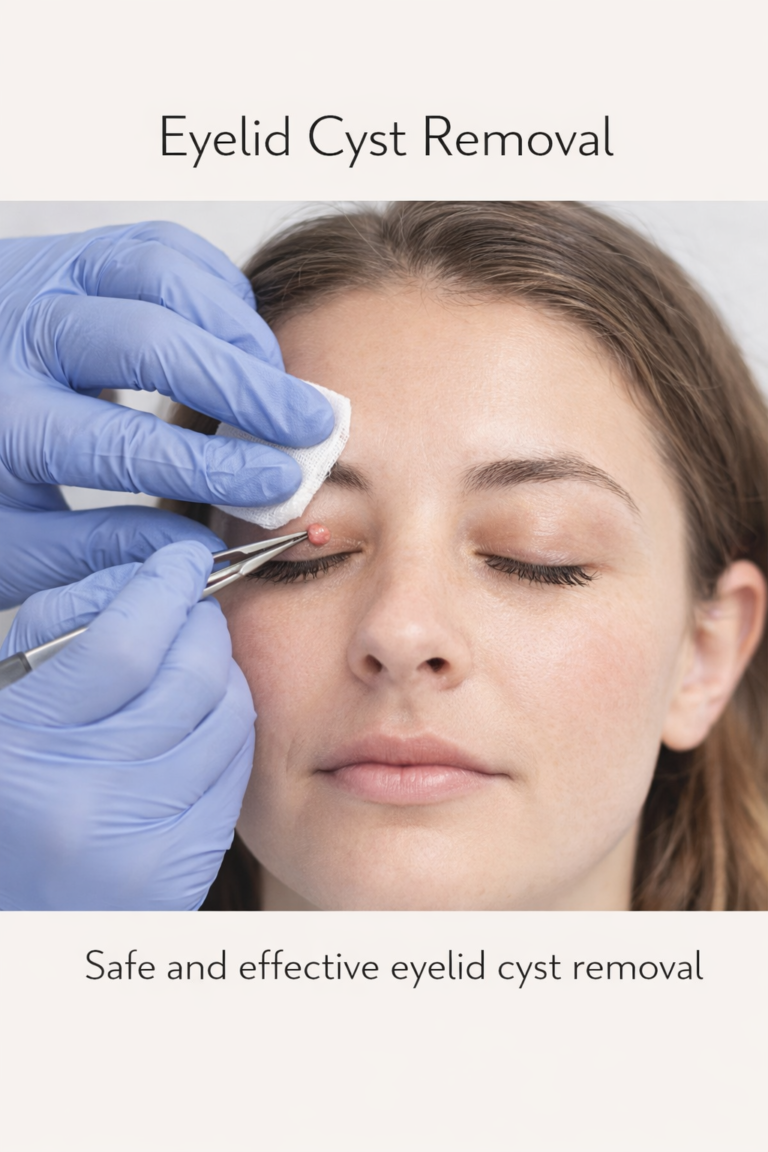
Taking Out a Cyst: Safe Methods, Risks & Recovery Tips

1. Introduction to Cyst Removal

1.1 What Is a Cyst?

What is a cyst? It is a closed sac-like structure that can appear under the skin or in deeper tissues, filled with fluid, air, or other material. It can develop due to infection, blocked glands, or chronic inflammation. Though usually benign, proper diagnosis and safe removal are crucial, especially when the cyst becomes painful or inflamed.

1.2 Common Types of Cysts

Cysts come in various forms—sebaceous, epidermoid, ganglion, and pilar cysts are among the most common. Their locations vary, including the scalp, back, hands, and face. Understanding the cyst type helps in planning the most effective and safe treatment or surgical approach.

1.3 Why Safe Removal Is Important

Improper or delayed cyst treatment can lead to infection, scarring, or even misdiagnosis of more serious conditions. Cyst removal surgery ensures complete extraction, reduces recurrence risk, and allows for histological testing, making it the safest and most effective option.

2. Causes and Symptoms of Cysts

2.1 Underlying Medical Conditions

Certain medical conditions, like acne, PCOS, or genetic syndromes, can trigger cyst development. Sebaceous glands, when blocked, are especially prone to forming cysts, often requiring clinical attention.

2.2 Environmental and Lifestyle Factors

Poor hygiene, repetitive skin trauma, and even stress can contribute to cyst formation. Inadequate skincare or wearing tight clothing that irritates hair follicles may also increase risk.

2.3 Warning Signs That Require Medical Attention

Cysts that rapidly grow, become painful, change color, or ooze should be evaluated by a professional. Early intervention avoids complications and ensures proper care through methods like cyst removal surgery.

3. Diagnosis Before Removal

3.1 Physical Examination

Most cysts are diagnosed by physical appearance. Your doctor will assess its size, location, and consistency. If infected, surrounding tissue inflammation may also be noted.

3.2 Imaging and Lab Tests

Ultrasound or MRI may be used to determine the cyst’s depth and structure. In some cases, a biopsy might be needed to rule out malignancy, especially if the cyst recurs or behaves abnormally.

3.3 Differentiating Between Benign and Serious Conditions

Benign cysts grow slowly and are usually painless. In contrast, aggressive or cancerous masses tend to grow rapidly and may invade surrounding tissue. Accurate diagnosis is critical to ensure appropriate treatment.

4. Safe Medical Removal Methods

Safe Medical Removal Methods

4.1 Surgical Excision

This is the most reliable method of cyst removal surgery. The entire cyst, including its sac, is surgically removed, reducing the chance of recurrence. It’s usually performed under local anaesthesia.

4.2 Needle Aspiration

In this method, fluid is drawn out using a syringe. While less invasive, it doesn’t remove the cyst wall, which can result in recurrence. It’s typically used for temporary relief or diagnosis.

4.3 Laser Removal

Laser treatment may be used for small, superficial cysts. It offers minimal scarring and faster healing, though it’s not suitable for deep or large cysts.

4.4 Cryotherapy Techniques

Cryotherapy uses extreme cold to destroy cyst tissue. Though effective for some skin lesions, it’s not commonly used for deeper or complex cysts like those treated in a proper clinical setting.

5. Why Avoid DIY Cyst Removal

5.1 Infection Risks

Attempting to pop or drain a cyst at home can introduce bacteria and lead to serious infections, requiring further medical intervention and antibiotics.

5.2 Potential Scarring and Tissue Damage

Untrained removal efforts can damage surrounding skin, nerves, or blood vessels. Scarring is also more likely without sterile technique and proper wound care.

5.3 Risk of Misdiagnosis

Mistaking a cyst for a boil, abscess, or tumour could delay essential treatment. Only a medical professional can offer accurate diagnosis and safe removal options like those provided at cyst removal Newcastle clinics.

6. Preparing for Cyst Removal

6.1 Pre-Procedure Consultation

During consultation, the surgeon will evaluate the cyst, discuss your medical history, and explain the most suitable removal method. This is also the time to ask questions.

6.2 Medical History and Precautions

Inform your provider about allergies, medications, or past procedures. These factors help prevent complications during and after the cyst removal surgery.

6.3 Patient Preparation Checklist

Shower on the day of surgery, avoid applying creams near the cyst, and follow fasting instructions if advised. Wear comfortable clothing and arrange transportation if sedation is used.

7. The Removal Procedure – Step-by-Step

The Removal Procedure – Step-by-Step

7.1 Anesthesia Administration

Local anaesthesia is administered to numb the area. For larger or multiple cysts, mild sedation may be used. The procedure is usually painless.

7.2 Incision and Extraction Process

A small cut is made over the cyst, and the entire sac is removed. The goal is complete extraction to prevent recurrence, especially in sebaceous cyst removal Newcastle procedures.

7.3 Wound Cleaning and Closure

After removal, the wound is cleaned and stitched or dressed. You may receive antibiotic ointment to apply at home, and detailed aftercare instructions are provided.

8. Recovery and Aftercare

8.1 Healing Timeline

Most patients recover within 7 to 14 days, depending on the cyst’s size and location. Scabs form and fall off as the wound heals.

8.2 Pain Management and Medications

Pain is usually mild and controlled with OTC pain relievers. Antibiotics may be prescribed to prevent infection. Follow dosage instructions carefully.

8.3 Caring for Stitches or Dressings

Keep the area clean and dry. Change dressings as advised and avoid scratching or applying pressure to the site. This helps prevent infection and supports smooth healing.

9. Risks and Complications

9.1 Infection and Recurrence

Infections can occur if aftercare is neglected. Also, if the cyst sac isn’t fully removed, it may come back—underscoring the need for expert treatment like cyst removal Newcastle upon Tyne services.

9.2 Allergic Reactions

Rarely, patients may react to anaesthesia or medications. Always inform your provider about any allergies during consultation.

9.3 Long-Term Skin Changes

There may be slight discolouration or scarring. Using silicone gel or prescribed creams can help minimise these effects over time.

Conclusion

Cyst removal surgery is the safest and most effective way to treat troublesome or recurring cysts. Avoid DIY methods, follow proper recovery steps, and consult certified specialists for best outcomes.

Frequently Asked Questions:

Can a cyst go away without removal?
Some small cysts may shrink, but most require removal to prevent recurrence.

How painful is the procedure?
The procedure is minimally painful, thanks to local anaesthesia.

Is cyst removal covered by insurance?
If medically necessary, yes. Cosmetic removals might not be covered.

Can the cyst come back after removal?
Yes, if the entire sac isn’t removed. Surgical excision helps reduce this risk.

What’s the difference between a cyst and an abscess?
A cyst is a non-infectious sac; an abscess is pus-filled and typically infected.

Cyst Removal Surgery: Cost, Benefits, Procedure & Recovery Explained

[vc_row][vc_column width=”1/1″][vc_column_text]Cyst removal surgery is a minor or major medical procedure aimed at extracting abnormal fluid-filled sacs, known as cysts, from various parts of the body. These can range from small skin cysts to deeper internal ones. Timely removal is crucial to prevent infection, rupture, or discomfort. Common cyst types removed surgically include sebaceous, ganglion, ovarian, and pilar cysts. Whether for cosmetic concerns or medical necessity, understanding this procedure helps patients make informed choices.

Understanding What a Cyst Is

A cyst is a closed sac-like structure filled with fluid, air, or other substances. These can appear anywhere—on the skin, scalp, ovaries, or breasts. Often harmless, cysts can result from infections, blocked glands, or chronic inflammation. While many disappear naturally, some persist or grow, requiring medical attention. Identifying their cause early helps determine whether observation or intervention is the right path.[/vc_column_text][/vc_column][/vc_row][vc_row row_height_percent=”0″ overlay_alpha=”50″ gutter_size=”3″ column_width_percent=”100″ shift_y=”0″ z_index=”0″ css=”.vc_custom_1752924330491{margin-top: -50px !important;margin-bottom: -50px !important;}”][vc_column width=”1/1″][vc_custom_heading]

When Is Cyst Removal Surgery Needed?

[/vc_custom_heading][/vc_column][/vc_row][vc_row][vc_column width=”1/1″][vc_single_image media=”84933″ media_width_percent=”100″][/vc_column][/vc_row][vc_row row_height_percent=”0″ overlay_alpha=”50″ gutter_size=”3″ column_width_percent=”100″ shift_y=”0″ z_index=”0″ css=”.vc_custom_1752920049705{margin-top: -50px !important;margin-bottom: -50px !important;}”][vc_column width=”1/1″][vc_column_text]

  • Medical reasons: Pain, infection, rupture, or pressure on surrounding tissues.
  • Cosmetic concerns: Visible or growing cysts that affect confidence or appearance.
  • Warning signs: Redness, swelling, tenderness, fluid discharge, or rapid growth.
  • Delaying removal: Can increase risk of infection, scarring, or more complex surgery later.

[/vc_column_text][/vc_column][/vc_row][vc_row][vc_column width=”1/1″][vc_custom_heading]

Types of Cysts That May Need Removal

[/vc_custom_heading][/vc_column][/vc_row][vc_row row_height_percent=”0″ overlay_alpha=”50″ gutter_size=”3″ column_width_percent=”100″ shift_y=”0″ z_index=”0″ css=”.vc_custom_1752920541402{margin-top: -50px !important;margin-bottom: -50px !important;}”][vc_column width=”1/1″][vc_single_image media=”84941″ media_width_percent=”100″][/vc_column][/vc_row][vc_row row_height_percent=”0″ overlay_alpha=”50″ gutter_size=”3″ column_width_percent=”100″ shift_y=”0″ z_index=”0″ css=”.vc_custom_1752920493622{margin-top: -50px !important;margin-bottom: -50px !important;}”][vc_column width=”1/1″][vc_column_text]Several cyst types commonly require removal including:-

  • Sebaceous cysts: Common on the face, neck, and back; often filled with keratin.
  • Ovarian cysts: Develop on ovaries; may cause abdominal pain or fertility issues.
  • Ganglion cysts: Found near joints or tendons, especially in the wrists or hands.
  • Baker’s cysts: Fluid-filled cysts behind the knee, often linked to joint problems.
  • Pilar (scalp) cysts: Typically painless, but can grow and become inflamed.
  • Breast cysts: Can mimic lumps and are often removed for biopsy or relief.

[/vc_column_text][/vc_column][/vc_row][vc_row][vc_column width=”1/1″][vc_custom_heading]

Diagnosis and Evaluation Before Surgery

[/vc_custom_heading][/vc_column][/vc_row][vc_row row_height_percent=”0″ overlay_alpha=”50″ gutter_size=”3″ column_width_percent=”100″ shift_y=”0″ z_index=”0″ css=”.vc_custom_1752920634025{margin-top: -50px !important;margin-bottom: -50px !important;}”][vc_column width=”1/1″][vc_column_text]Diagnosis Before Cyst Surgery: A specialist consultation is the first step. The doctor may conduct a physical examination followed by imaging tests like ultrasound or MRI. In some cases, a biopsy is required to rule out malignancy. The goal is to understand the cyst’s type, size, depth, and whether surgery is the best course. This evaluation is vital in creating a safe and effective treatment plan.[/vc_column_text][/vc_column][/vc_row][vc_row][vc_column width=”1/1″][vc_custom_heading]

Preparation Before the Surgery

[/vc_custom_heading][/vc_column][/vc_row][vc_row row_height_percent=”0″ overlay_alpha=”50″ gutter_size=”3″ column_width_percent=”100″ shift_y=”0″ z_index=”0″ css=”.vc_custom_1752920781879{margin-top: -50px !important;margin-bottom: -50px !important;}”][vc_column width=”1/1″][vc_column_text]Patients receive pre-operative instructions including avoiding food or drink before surgery, stopping certain medications, and maintaining hygiene. Blood tests or scans may be scheduled beforehand. On the day, arrive early, wear comfortable clothing, and have a support person if sedation is planned. Being well-prepared reduces anxiety and enhances surgical outcomes for patients undergoing cyst removal in Newcastle.[/vc_column_text][/vc_column][/vc_row][vc_row][vc_column width=”1/1″][vc_custom_heading]

Different Types of Cyst Removal Procedures

[/vc_custom_heading][/vc_column][/vc_row][vc_row row_height_percent=”0″ overlay_alpha=”50″ gutter_size=”3″ column_width_percent=”100″ shift_y=”0″ z_index=”0″ css=”.vc_custom_1752920969109{margin-top: -50px !important;margin-bottom: -50px !important;}”][vc_column width=”1/1″][vc_single_image media=”84942″ media_width_percent=”100″][/vc_column][/vc_row][vc_row][vc_column width=”1/1″][vc_column_text]

  • Excision surgery: Full surgical removal of the cyst and its sac; reduces recurrence.
  • Laparoscopic removal: Minimally invasive option for internal cysts like ovarian.
  • Laser removal: Suitable for some superficial skin cysts with minimal scarring.
  • Needle aspiration: Draws fluid out but may not prevent recurrence without sac removal.
  • Surgical excision vs. aspiration: Surgery offers a more permanent solution.

[/vc_column_text][/vc_column][/vc_row][vc_row row_height_percent=”0″ overlay_alpha=”50″ gutter_size=”3″ column_width_percent=”100″ shift_y=”0″ z_index=”0″ css=”.vc_custom_1752921261528{margin-top: -50px !important;margin-bottom: -50px !important;}”][vc_column width=”1/1″][vc_custom_heading]

Step-by-Step: How Cyst Removal Surgery Is Done

[/vc_custom_heading][/vc_column][/vc_row][vc_row][vc_column width=”1/1″][vc_column_text]Depending on the cyst’s location, local or general anaesthesia is used. The surgeon makes an incision, taking out a cyst and its sac, and closes the wound with sutures. The process can take 15 minutes to over an hour. For deep or complex cases like ovarian cysts, laparoscopic techniques might be used. Procedures like sebaceous cyst removal in Newcastle are often quick and done in-clinic.[/vc_column_text][/vc_column][/vc_row][vc_row row_height_percent=”0″ overlay_alpha=”50″ gutter_size=”3″ column_width_percent=”100″ shift_y=”0″ z_index=”0″ css=”.vc_custom_1752921366393{margin-top: -50px !important;margin-bottom: -50px !important;}”][vc_column width=”1/1″][vc_custom_heading]

Cyst Removal Surgery Cost

[/vc_custom_heading][/vc_column][/vc_row][vc_row][vc_column width=”1/1″][uncode_list]The cost varies based on the cyst type, location, complexity, and whether it’s done privately or through the NHS. Clinics in the UK may charge anywhere from £250 to £800 for minor removals. In India, costs are generally lower. Some insurance plans cover removal if it’s deemed medically necessary. It’s advisable to verify with the clinic offering cyst removal in Newcastle upon Tyne services.[/uncode_list][/vc_column][/vc_row][vc_row row_height_percent=”0″ overlay_alpha=”50″ gutter_size=”3″ column_width_percent=”100″ shift_y=”0″ z_index=”0″ css=”.vc_custom_1752921462060{margin-top: -50px !important;margin-bottom: -50px !important;}”][vc_column width=”1/1″][vc_custom_heading]

Benefits of Undergoing Cyst Removal Surgery

[/vc_custom_heading][/vc_column][/vc_row][vc_row][vc_column width=”1/1″][vc_column_text]

  • Prevents infection: Stops cysts from rupturing or becoming inflamed.
  • Boosts confidence: Especially for cysts in visible or bothersome locations.
  • Reduces recurrence: Removal of the entire sac lowers chances of return.
  • Enables diagnosis: Excised cysts can be biopsied for accurate analysis.

[/vc_column_text][/vc_column][/vc_row][vc_row row_height_percent=”0″ overlay_alpha=”50″ gutter_size=”3″ column_width_percent=”100″ shift_y=”0″ z_index=”0″ css=”.vc_custom_1752921563878{margin-top: -50px !important;margin-bottom: -50px !important;}”][vc_column width=”1/1″][vc_custom_heading]

Risks and Complications of Cyst Removal Surgery

[/vc_custom_heading][/vc_column][/vc_row][vc_row][vc_column width=”1/1″][vc_column_text]Like all surgeries, this procedure carries some risk—bleeding, infection, and scarring are the most common. Rarely, cysts may recur if not fully removed. Proper wound care and following medical advice can help minimise issues. Always contact your doctor if you notice signs of infection, prolonged pain, or discharge from the surgical site during recovery.[/vc_column_text][/vc_column][/vc_row][vc_row row_height_percent=”0″ overlay_alpha=”50″ gutter_size=”3″ column_width_percent=”100″ shift_y=”0″ z_index=”0″ css=”.vc_custom_1752921649631{margin-top: -50px !important;margin-bottom: -50px !important;}”][vc_column width=”1/1″][vc_custom_heading]

Recovery and Aftercare Instructions

[/vc_custom_heading][/vc_column][/vc_row][vc_row][vc_column width=”1/1″][vc_single_image media=”84943″ media_width_percent=”100″][/vc_column][/vc_row][vc_row row_height_percent=”0″ overlay_alpha=”50″ gutter_size=”3″ column_width_percent=”100″ shift_y=”0″ z_index=”0″ css=”.vc_custom_1752922679329{margin-top: -50px !important;margin-bottom: -50px !important;}”][vc_column width=”1/1″][vc_column_text]

  • Wound care: Keep the area clean, dry, and follow dressing guidelines.
  • Pain management: Mild discomfort managed with prescribed or over-the-counter meds.
  • Healing timeline: Most wounds heal within 1–2 weeks; scarring fades over time.
  • Follow-up care: Attend scheduled check-ups and suture removal if required.
  • Limit activity: Avoid heavy lifting or strenuous movements until fully healed.

[/vc_column_text][/vc_column][/vc_row][vc_row][vc_column width=”1/1″][vc_custom_heading]

Lifestyle Tips to Support Healing and Prevent Recurrence

[/vc_custom_heading][/vc_column][/vc_row][vc_row row_height_percent=”0″ overlay_alpha=”50″ gutter_size=”3″ column_width_percent=”100″ shift_y=”0″ z_index=”0″ css=”.vc_custom_1752923419395{margin-top: -50px !important;margin-bottom: -50px !important;}”][vc_column width=”1/1″][vc_column_text]Eat a balanced diet rich in vitamins to support tissue repair. Stay hydrated and avoid smoking. Maintain hygiene, especially around the surgical site, to prevent infection. For skin cysts, avoid using oily or comedogenic products. Gradually reintroduce physical activities as advised by your doctor to ensure the wound heals properly.[/vc_column_text][/vc_column][/vc_row][vc_row][vc_column width=”1/1″][vc_custom_heading]

Choosing the Right Surgeon or Clinic

[/vc_custom_heading][/vc_column][/vc_row][vc_row row_height_percent=”0″ overlay_alpha=”50″ gutter_size=”3″ column_width_percent=”100″ shift_y=”0″ z_index=”0″ css=”.vc_custom_1752923497698{margin-top: -50px !important;margin-bottom: -50px !important;}”][vc_column width=”1/1″][vc_column_text css=”.vc_custom_1752923481542{margin-top: -50px !important;margin-bottom: -50px !important;}”]Look for a clinic registered with the Care Quality Commission (CQC) and a surgeon with relevant experience. Board certification in plastic or general surgery is key. Reading patient testimonials and viewing before-after photos helps evaluate quality. Trust your instincts—choose a team that communicates clearly and provides personalised care.[/vc_column_text][/vc_column][/vc_row][vc_row row_height_percent=”0″ overlay_alpha=”50″ gutter_size=”3″ column_width_percent=”100″ shift_y=”0″ z_index=”0″ css=”.vc_custom_1752923707780{margin-top: 50px !important;}”][vc_column width=”1/1″][vc_custom_heading]

 Myths and Facts About Cyst Removal Surgery

[/vc_custom_heading][/vc_column][/vc_row][vc_row row_height_percent=”0″ overlay_alpha=”50″ gutter_size=”3″ column_width_percent=”100″ shift_y=”0″ z_index=”0″ css=”.vc_custom_1752923761818{margin-top: -50px !important;}”][vc_column width=”1/1″][vc_column_text]Contrary to popular belief, cysts do not always grow back—especially if the sac is fully removed. Most procedures are quick and done under local anaesthesia, with minimal discomfort. Not all cysts need surgery; however, ignoring problematic ones can lead to complications. Educating yourself with facts helps you make confident healthcare decisions.[/vc_column_text][/vc_column][/vc_row][vc_row row_height_percent=”0″ overlay_alpha=”50″ gutter_size=”3″ column_width_percent=”100″ shift_y=”0″ z_index=”0″ css=”.vc_custom_1752923970812{margin-top: -50px !important;}”][vc_column width=”1/1″][vc_custom_heading]

Frequently Asked Questions (FAQs)

[/vc_custom_heading][/vc_column][/vc_row][vc_row row_height_percent=”0″ overlay_alpha=”50″ gutter_size=”3″ column_width_percent=”100″ shift_y=”0″ z_index=”0″ css=”.vc_custom_1752924300661{margin-top: -50px !important;}”][vc_column width=”1/1″][vc_column_text]Is cyst removal surgery painful?
Mild discomfort is possible, but local anaesthesia prevents pain during the procedure.

How long does the procedure take?
Most cysts can be removed in 20–60 minutes, depending on complexity.

Will there be a visible scar after the surgery?
A small scar may form, but proper care and expert techniques minimise its appearance.

Is hospitalisation required?
Not usually—most cases are done as outpatient procedures.

Can I go to work after the surgery?
Yes, often within a day or two, unless advised otherwise by your surgeon.[/vc_column_text][/vc_column][/vc_row]